2026 Fall Garlic Planting
Out with the old and in with the new!
Shop this department ↓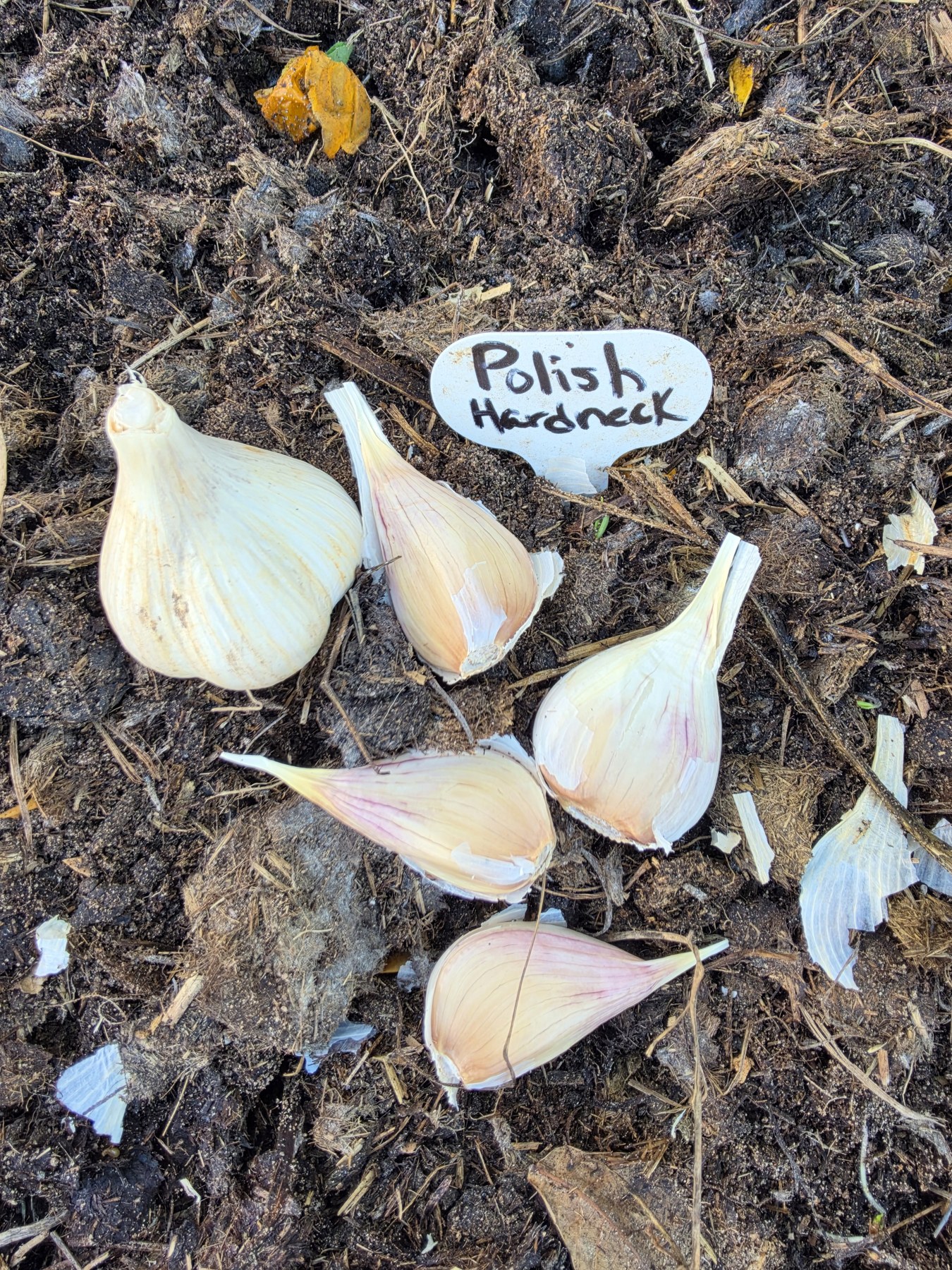
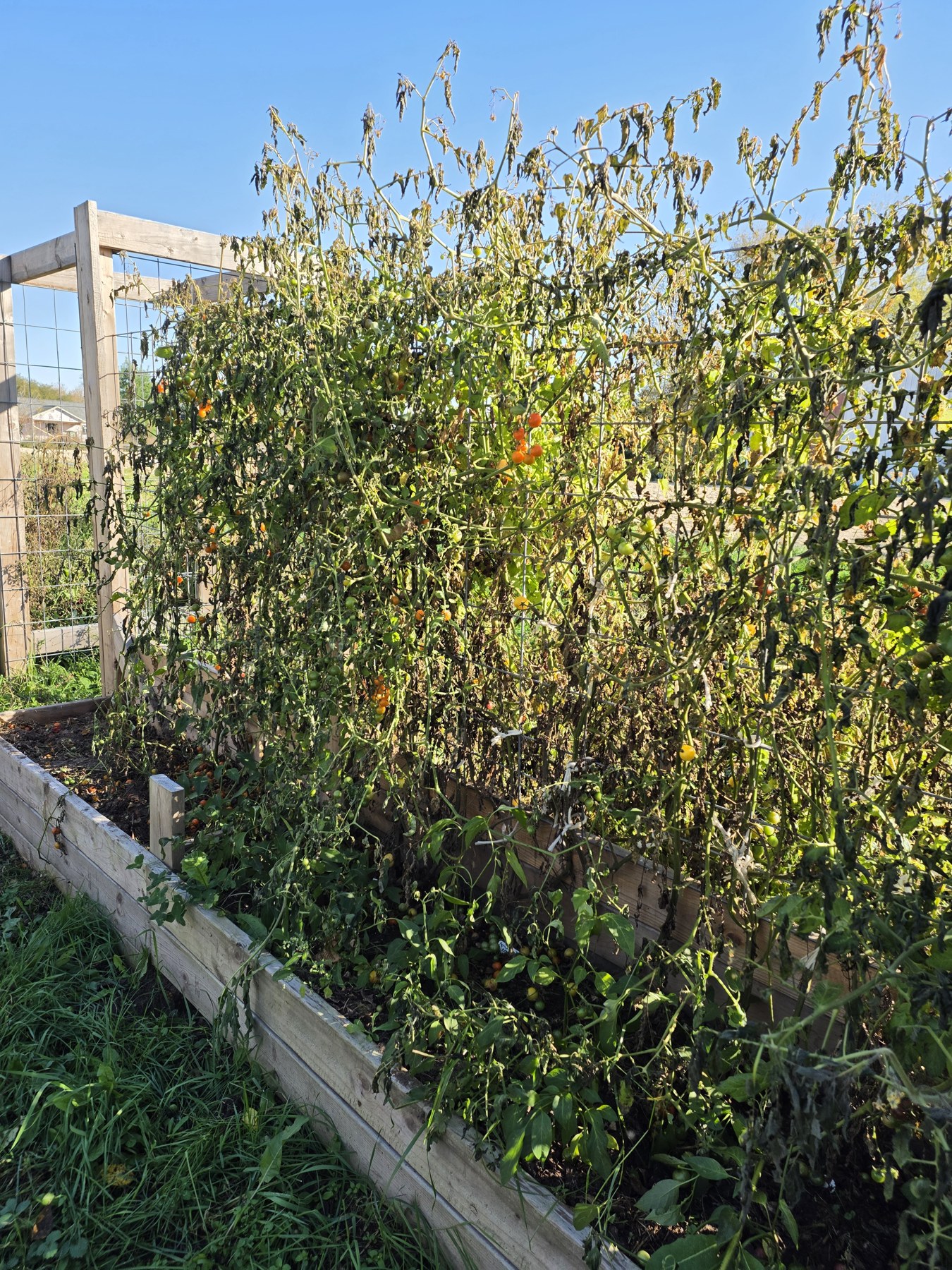
Bye-bye tomatoes, and hello garlic! I was late getting the garlic planted by about 10 days this year (and counting, because I still haven't finished.)
Making room for garlic
I like rotating crop locations every year. The theory is that rotation helps reduce pest and disease pressure. I do feel like I have a bug-free season every time I move the garden to a new location, so there may be some truth in that. Different plants also consume different amounts of nutrients, so those gardeners who are particularly knowledgeable on the subject determine their rotation schedule by planning for nutrient replenishment.
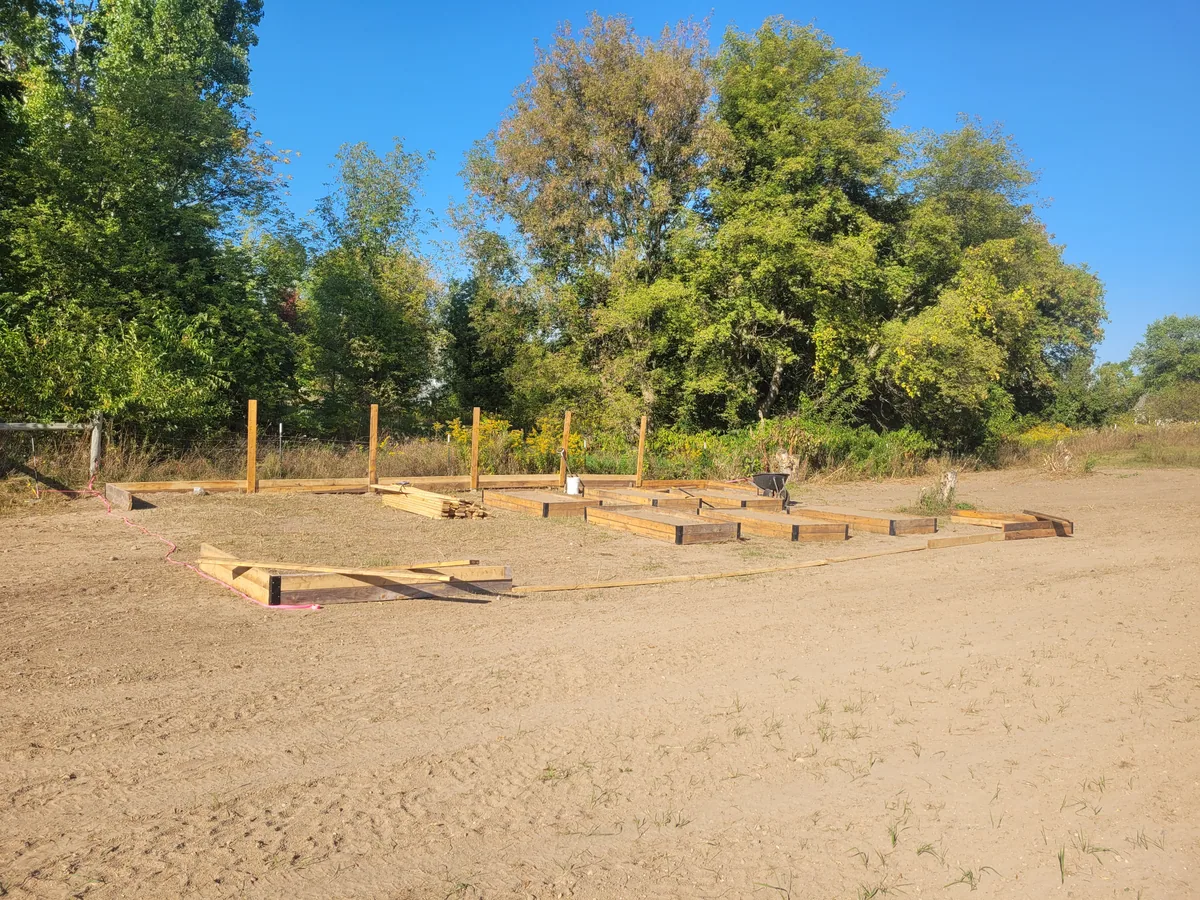
In any event, I did not want the garlic to be planted in the island beds again. (Last year, garlic took up four and a half of six beds!) I could not put them against the south wall, because I needed plenty of trellis for the tomatoes. So I started planting on the north side, where the tomatoes had been.
Preparing the beds
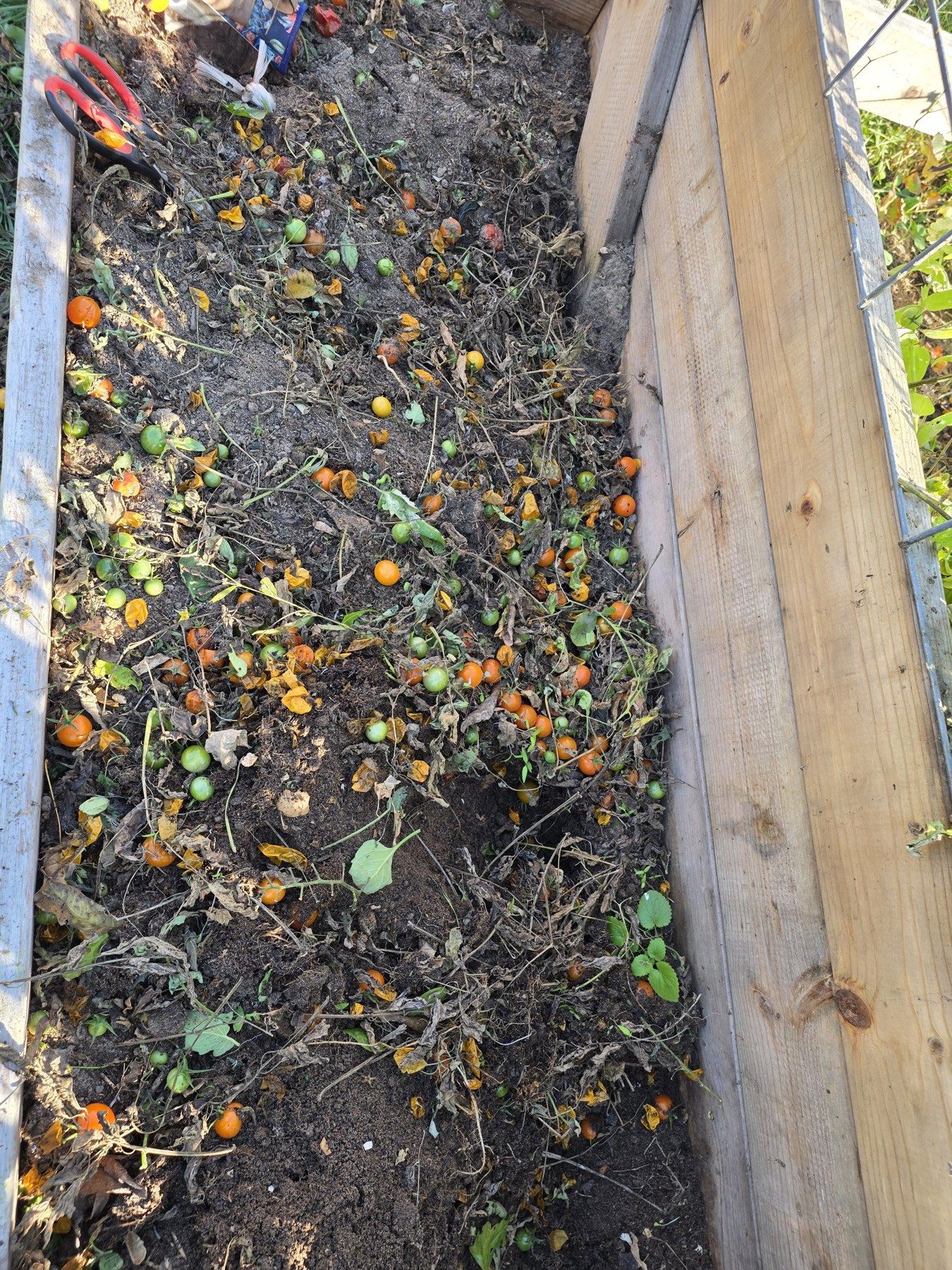
I never am able to pick all of the cherry tomatoes, and I suspect we will have a lot of volunteer tomato plants next season!
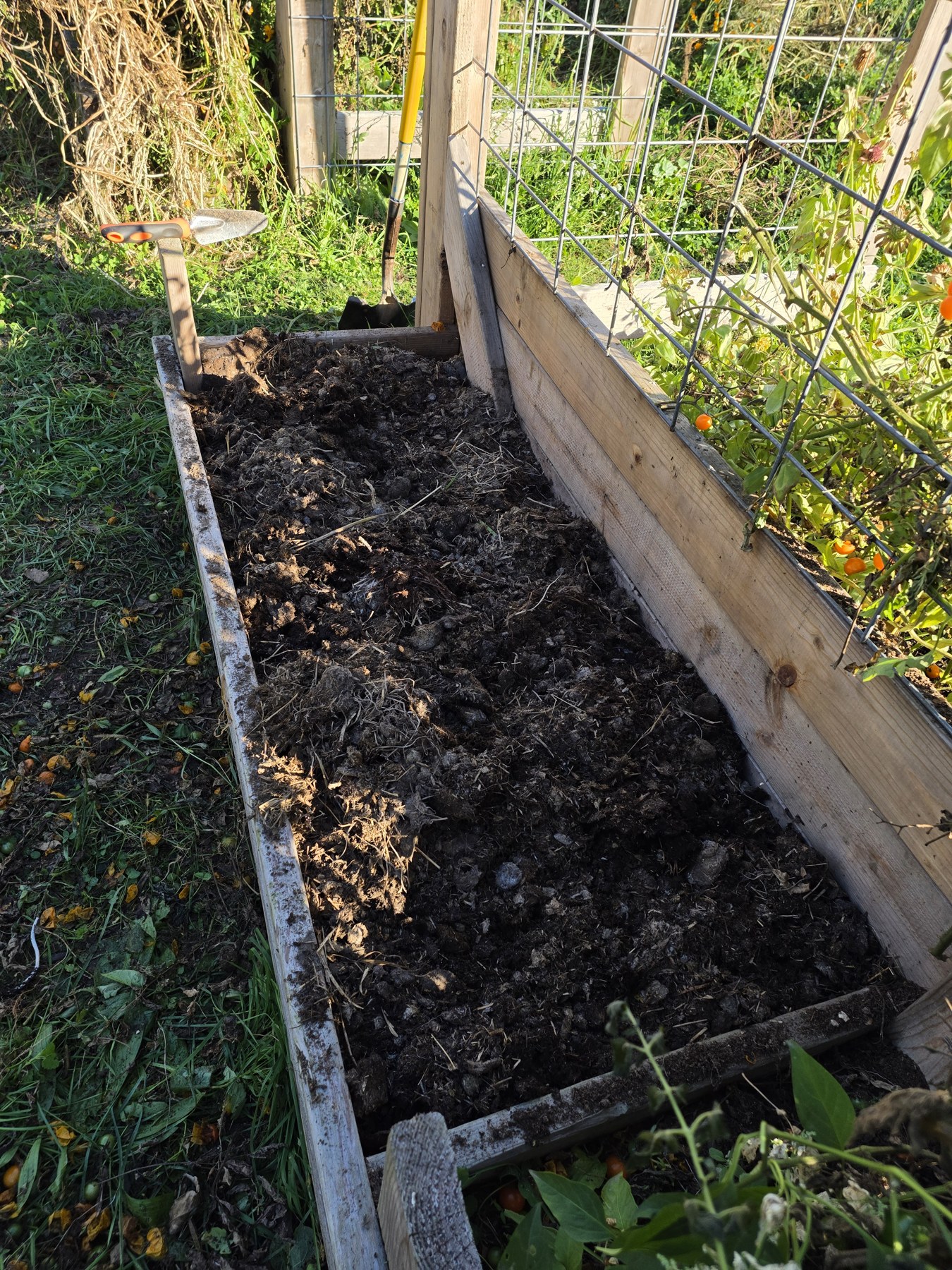
Once the tomatoes were out, I replenished the soil nutrients. Peppers shared the beds with the tomatoes, and they are both “heavy feeders.” That means they draw heavily on the nutrients in the soil as they grow.
Luckily, with so many animals, we are never short on fertilizer! Here, since the bed has many months to sit before the growing season, I fertilized with horse manure and old bedding that has not yet been composted. I added about two inches and worked it into the first six inches of soil. When we return next Spring, there will be no sign of manure, just deep, dark soil.
Planting the Cloves
I plant both hardneck and softneck garlic at Idlewind Acres. 2026 was my first garlic harvest. I planted six varieties. One of the best things about growing garlic is that you can save part of each harvest to plant again!
High quality seed garlic is expensive, but it is worth it. I saved the largest bulbs from my 2026 harvest to plant this Fall for the 2027 harvest.
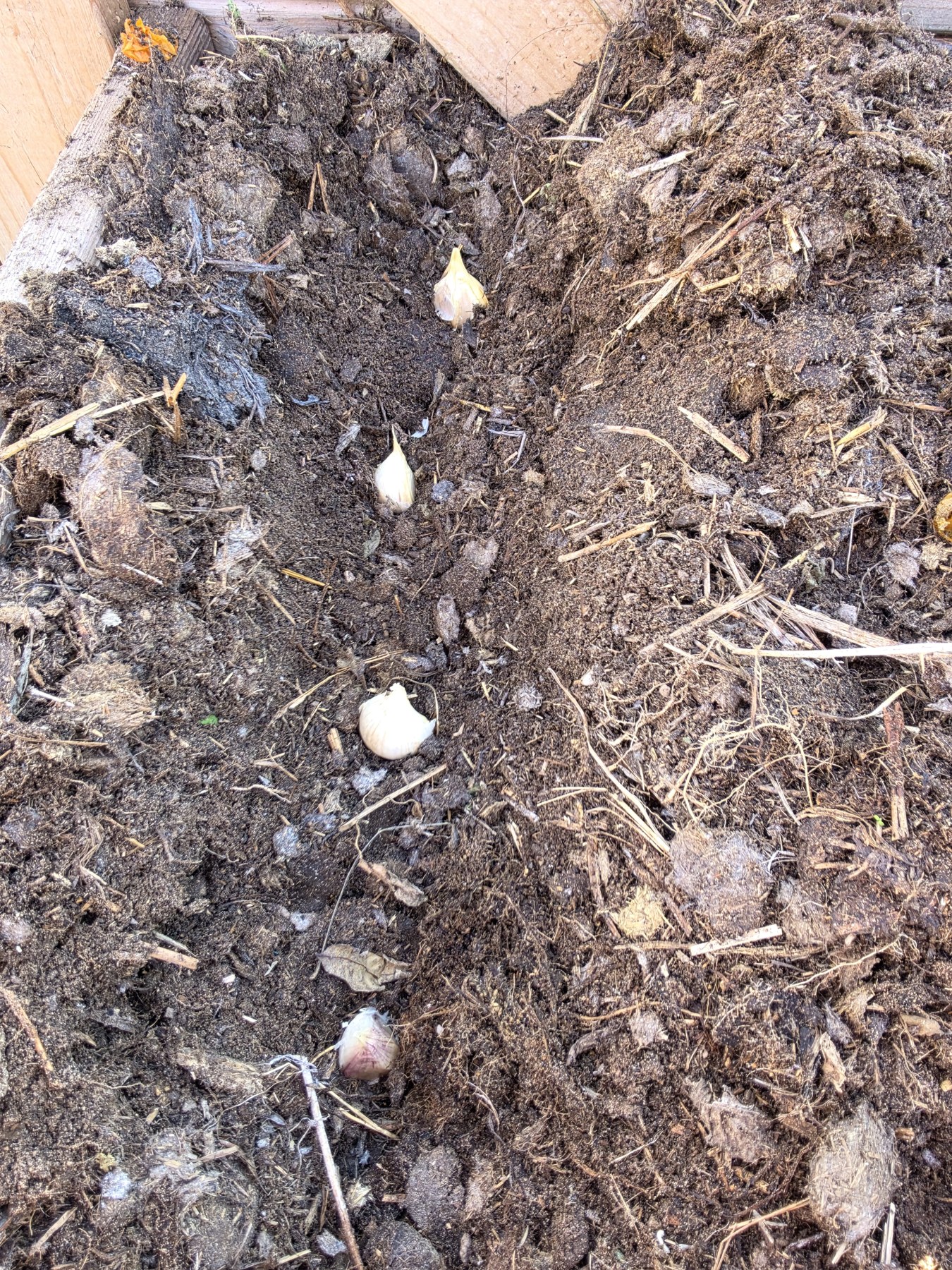
Garlic is planted by separating the cloves from the bulb and planting them each individually. Larger cloves generally produce larger garlic bulbs! Softneck garlic has more cloves than hardneck, but some of them are small. Do not plant the small ones - bring them back into the kitchen for cooking. Otherwise, you are wasting space with what will become small bulbs.
Even though cloves are only about half an inch wide, they need to be planted about 4-6 inches apart. These beds are 24 inches wide, and since I do not want any garlic directly against the wood, they are about 4-5 inches apart. Make sure the pointy side is up - that is where the shoot emerges.
A layer of straw
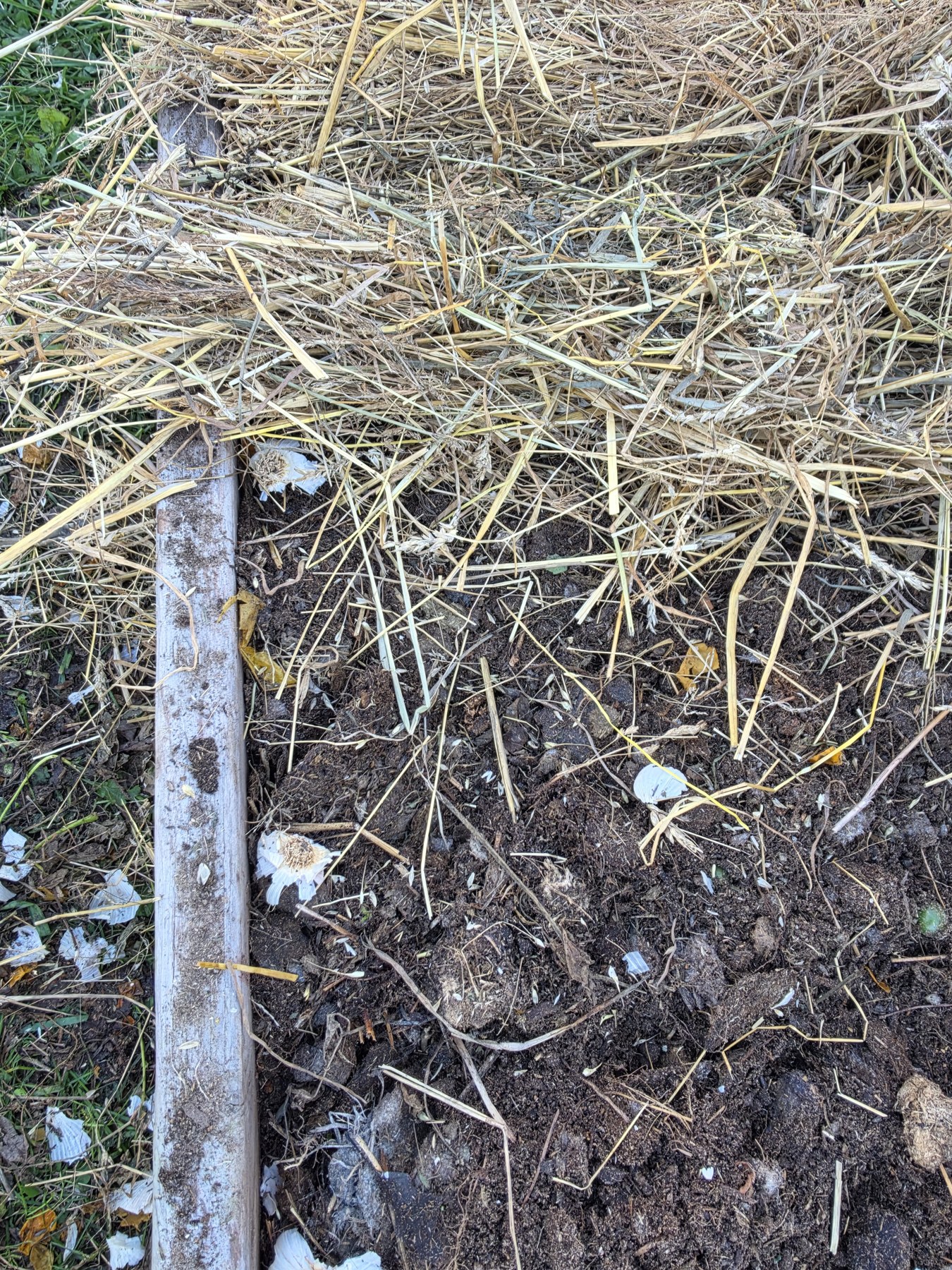
Garlic is planted at a depth of 4 inches, with another 2 inches of insulating straw on top. I like to have my garlic planted by around October 10. My goal is to give the garlic enough time to establish roots before the ground freezes. Even though I was late, the forecast has temperatures between 50-70 degrees for the next two weeks, so we should be fine. The key is to have the garlic start growing without it generating green growth.
Garlic needs a cold period to form a bulb and have defined cloves. This is called “vernalization.” As a general rule, hardneck needs a longer cold period than softneck, making it better suited to the north than the deep south. We are lucky to be able to grow both.
The straw helps insulate the soil and moderate temperature fluctuations, which is a good hedge against unpredictable Fall weather.
Signs of Spring
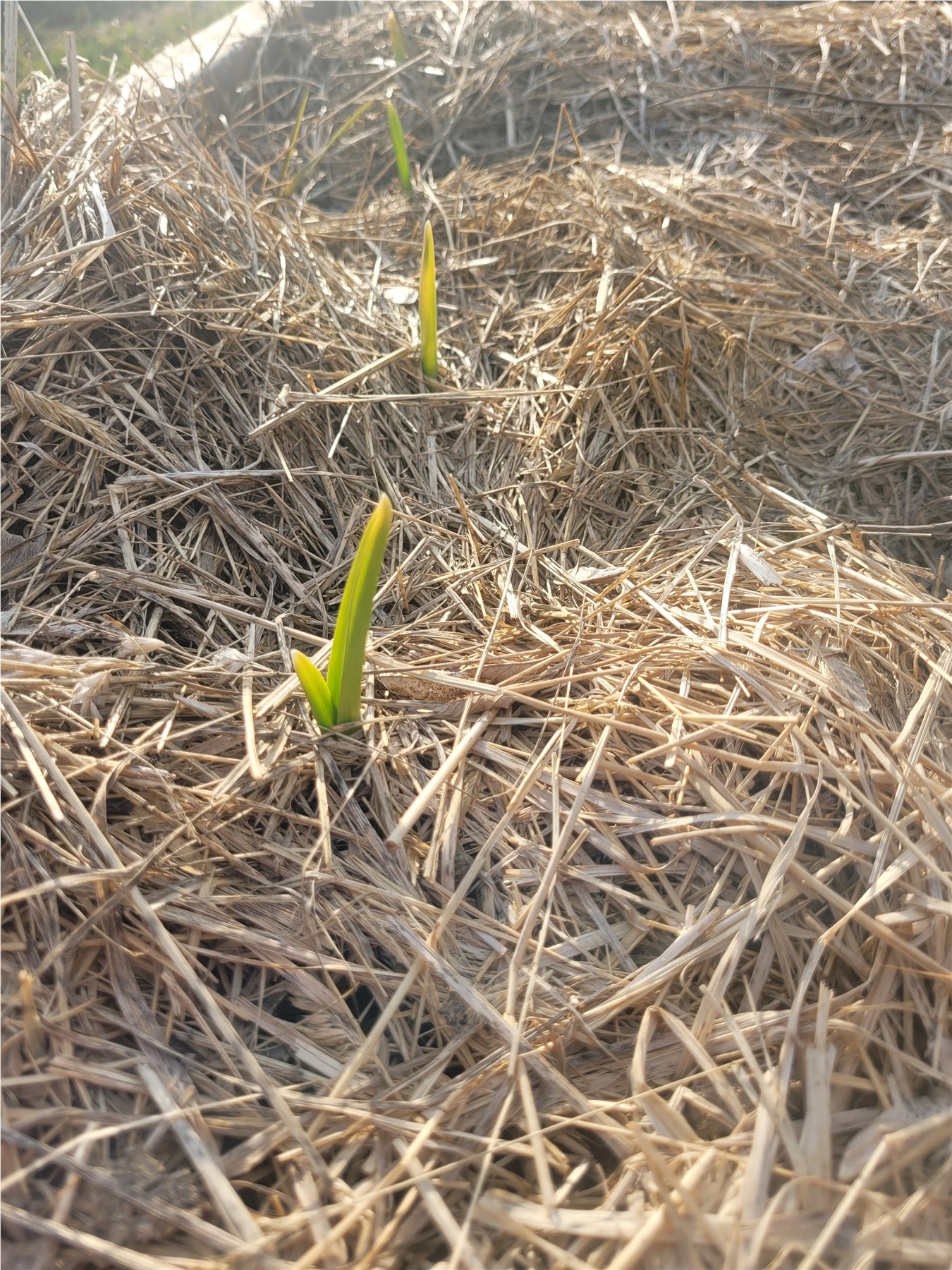
In only five months, our garlic should start emerging from the straw! Garlic peeking through is one of the first signs of Spring, and a very welcome sight.