We hadn’t planned on buying a farm. At least not yet. We loved our house in the woods, in an established subdivision a mile from the elementary school. It was a fixer-upper, and we loved restoring it.
I’d always loved plants and flowers. As the house changed inside, I tackled the overgrown garden outside. I wanted to grow food within formal boxwood hedges. The only problem was that I had about 100 square feet of sun to work with.
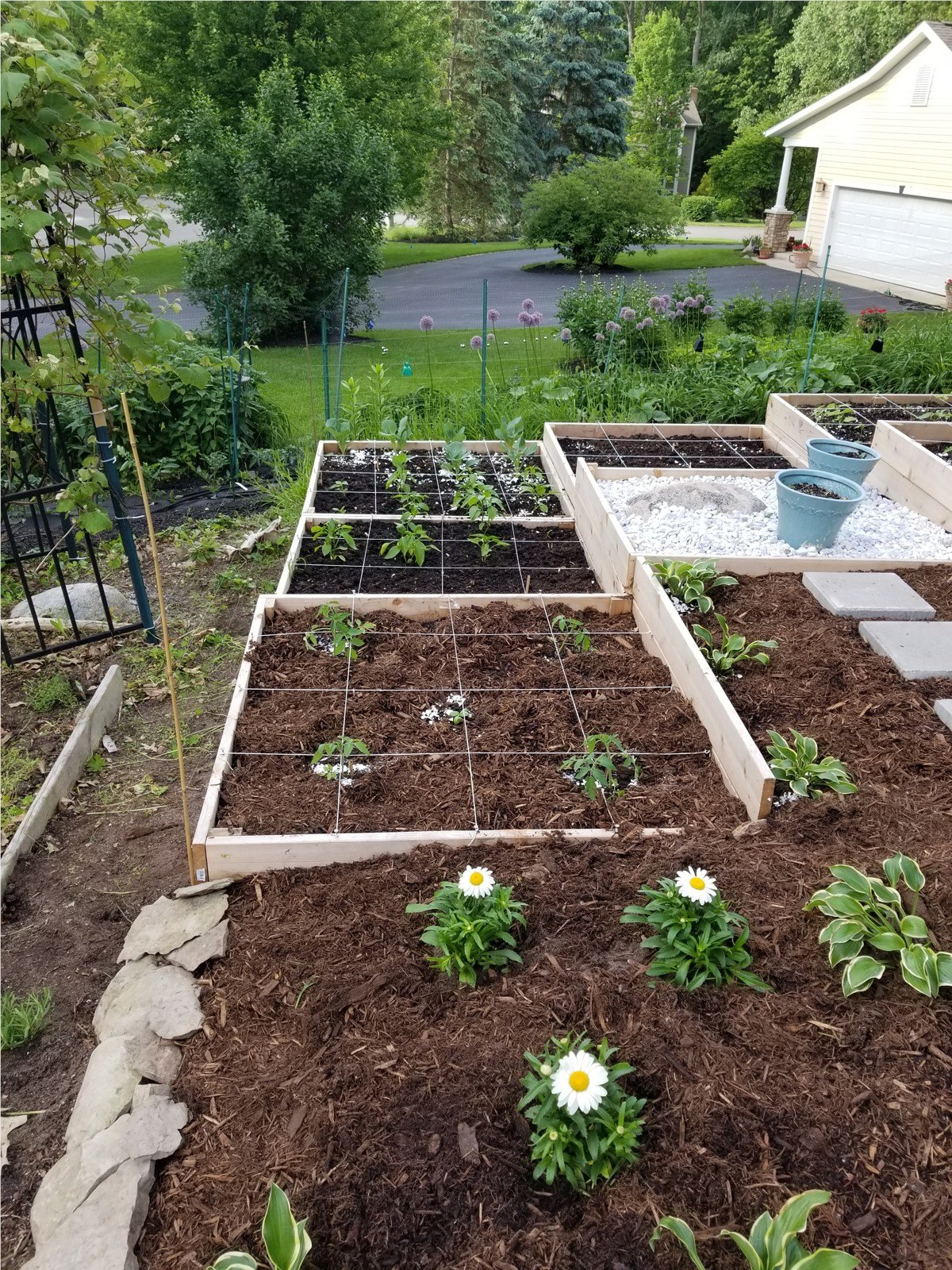
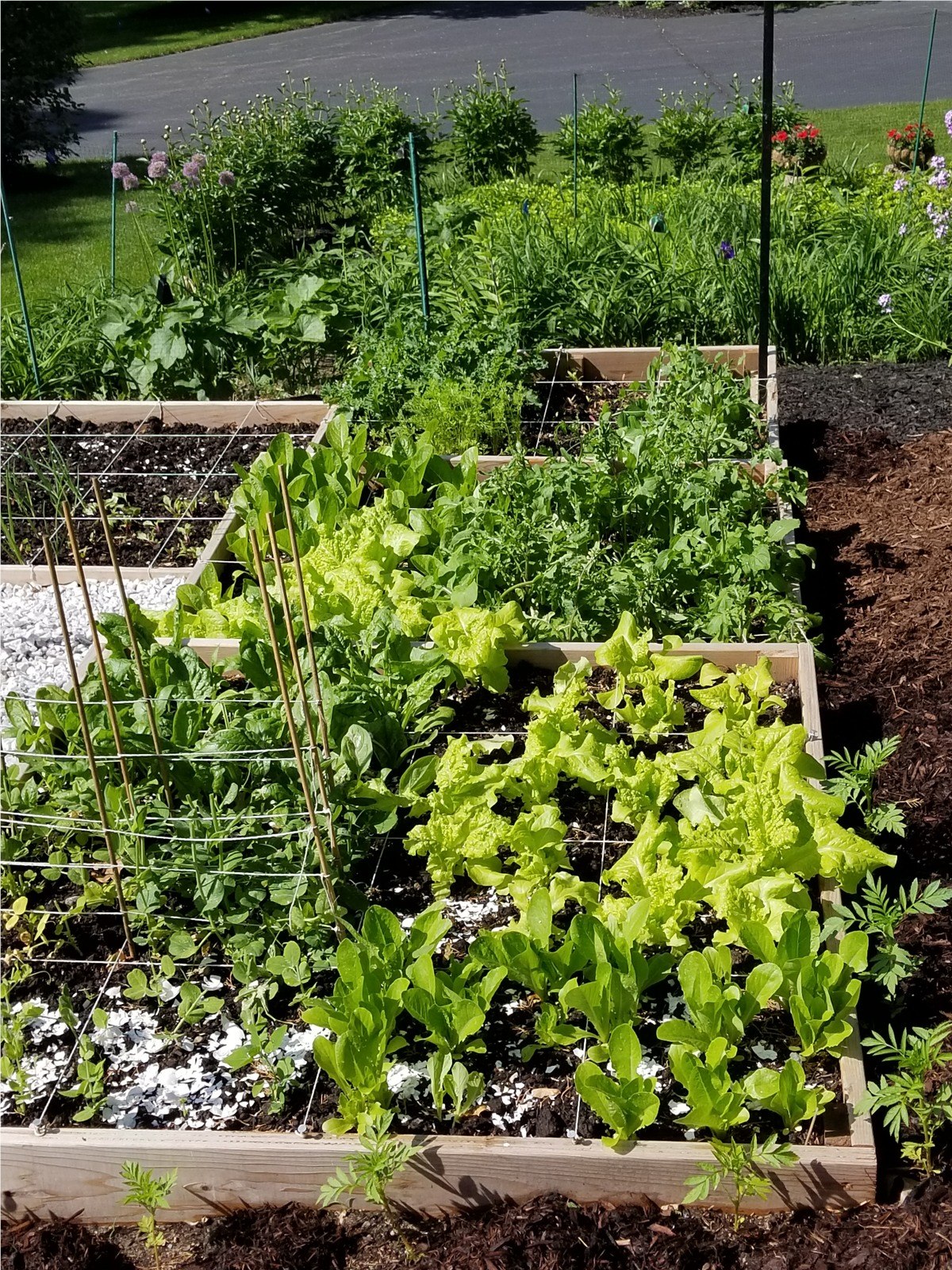
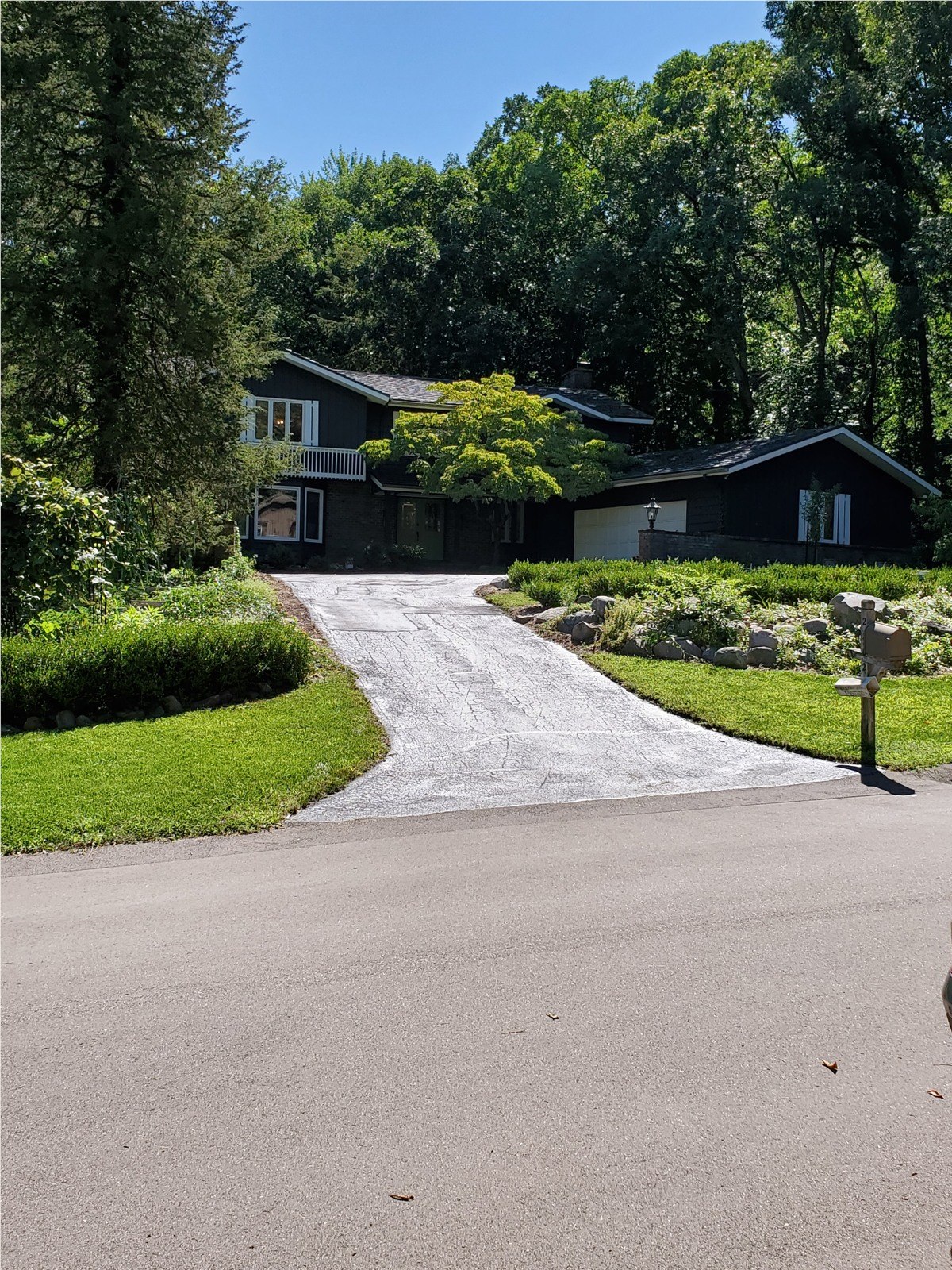
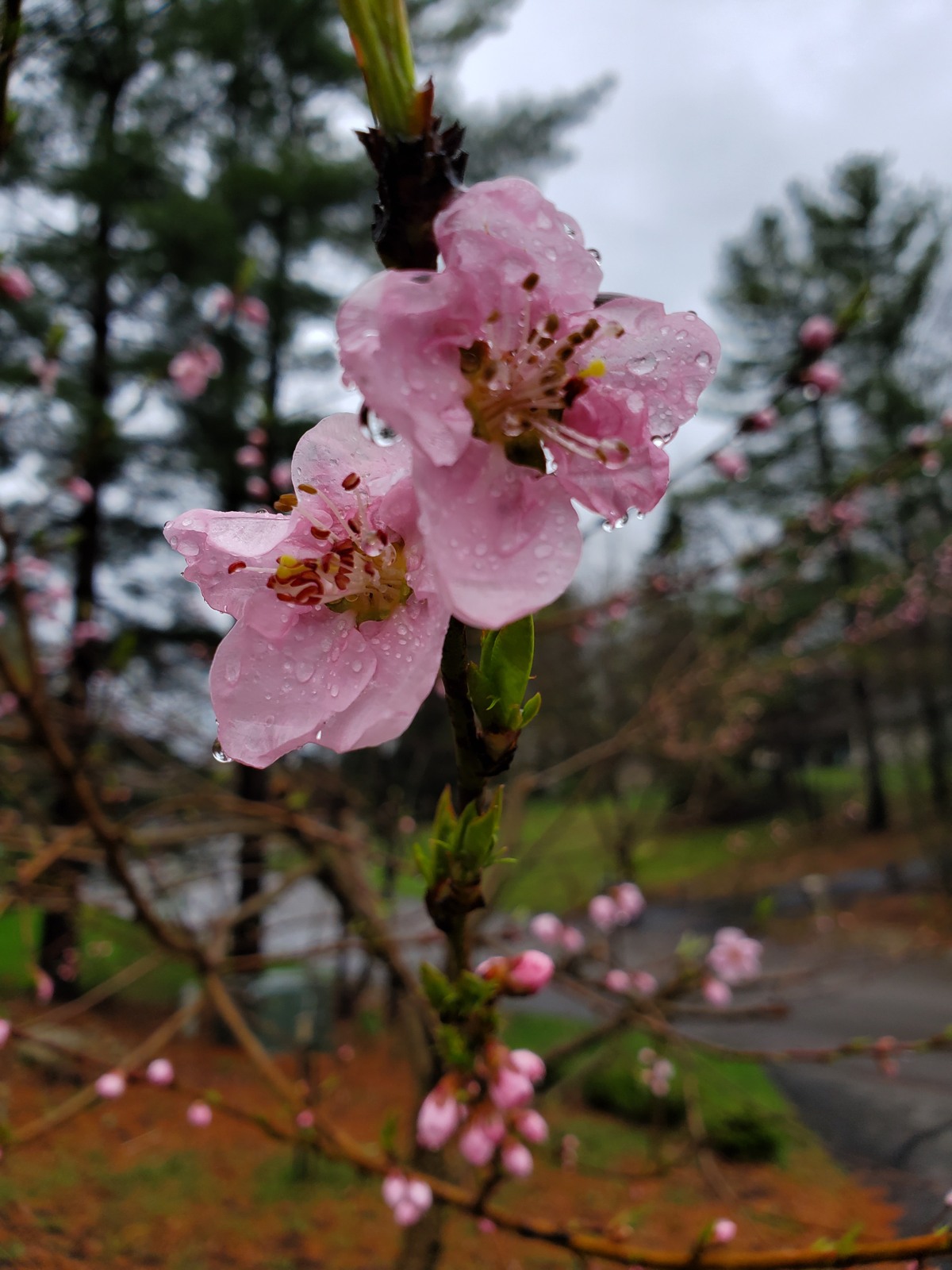
Still, I made the most of it. Within a few years, we had an established grapevine and eight productive four-by-four-foot raised beds, surrounded by boxwood and flowers. I removed unhealthy trees from the island inside our circular drive and created a lawn enclosed by boxwood hedges. On the other side of the drive, I planted two peach trees and two pear trees.
Gardening became my escape from a stressful job as a lawyer, where I encountered death and sadness every day. Bringing new life into the world was a solace.
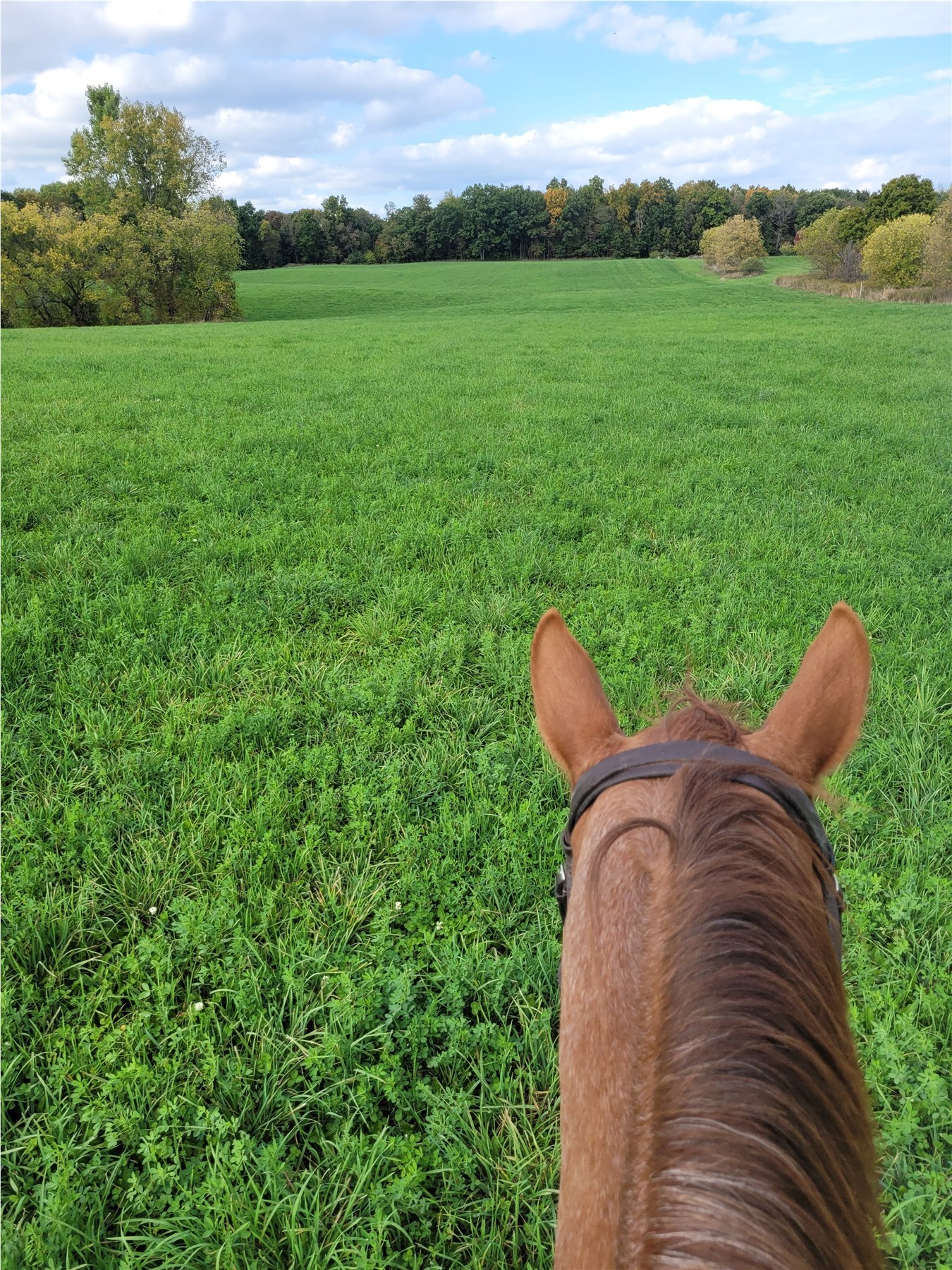
During one particularly stressful trial, I imagined myself riding a horse through a field of sunflowers. The image brought instant calm.
I’d always wanted animals, too. We began keeping a few ducks and chickens in our backyard, but we didn’t have the infrastructure to keep them safe. They became dinner for the woodland predators.
My husband and I started talking about a farm when we retired. Retirement was almost 40 years away. I grew impatient, and we began considering acreage near our weekend lake house. We could split our summer weekends between the farm and the lake.
That wasn’t practical for growing anything or keeping animals. So I started looking at land prices where we lived, “just to see.” And that’s when I saw it.
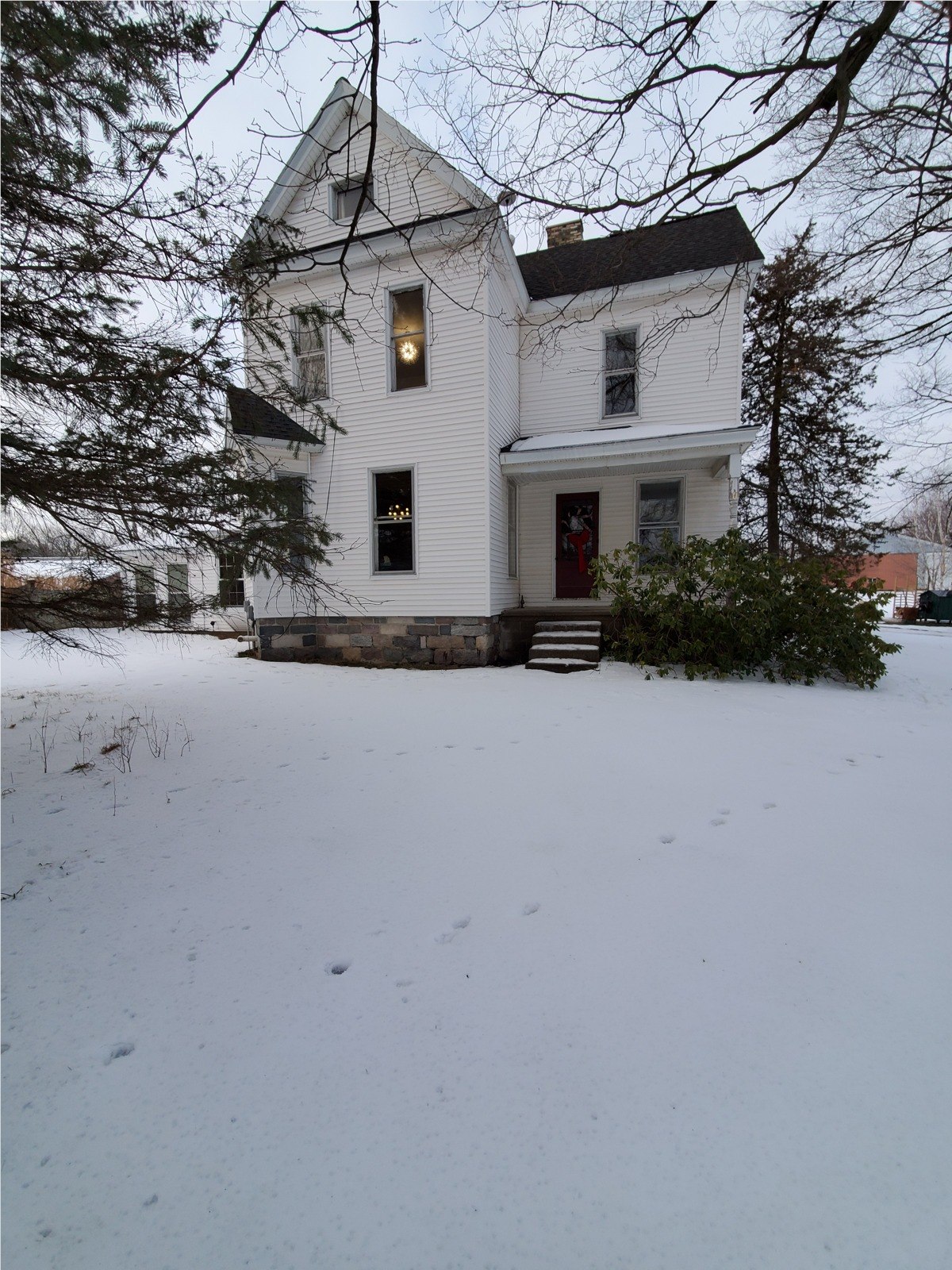
An old white farmhouse on 40 acres. It needed a head-to-toe makeover. But it was beautiful. There happened to be an open house, so we went “just to see.” We stopped on our way to get our Christmas tree, which we cut ourselves every year.
We spent about an hour there. The floor plan was perfect for us. The size was just right. Our house at the time was 4,500 square feet—too large for our little family of three. We couldn’t see much of the land beneath the snow, but we knew there was a lot of it.
As we drove away, no one spoke. After a minute, I said, “So, we’re going to buy it, right?”
There was no hesitation. Just a matter-of-fact “Yes” from my husband and daughter.
When you truly want something, certain details are…not seen. Or they’re seen and ignored. That certainly happened here, inside and out.
The house turned out to need a total gut rehab—a project we haven’t started yet. The windows don’t work well. In fact, the glass in a kitchen window broke when we tried to force it closed! The house was so drafty that, sitting in my chair in the evenings, I could feel the breeze and see it lifting wisps of my hair. We wore beanie caps.
The lighting is horrible. I usually can’t tell whether I’m wearing black or navy blue.
And the heating situation…we need to chop wood, or have it delivered, and keep an outdoor wood burner going to have hot water. It used to heat the house, too. But we were so bad at keeping it lit that we switched the house to propane rather than worry about frozen pipes through a long Michigan winter.
Propane has kept the house far warmer than wood did. I’m pleased to report that we no longer need our beanie caps inside.
Outside, though, is where we started. We expected a season of cleanup. Five years later, we were still cleaning up.
The real estate disclosures mentioned a “farm dump.” I asked where it was, but the only explanation I received was that farmers used to dump or bury trash on the property. It troubled me, but I let it go. We would deal with it when we found it. Rose-colored glasses.
There was a huge brush pile in what is now Rowan’s pasture, with about a year’s worth of trash mixed into it. I didn’t want to burn the trash, so we spent many weekends sifting through the pile and removing it before burning the brush. I declared victory over the farm dump.
But there was trash everywhere. My daughter and I walked the property daily, carrying a trash bag. Whenever we found a honey hole, we’d laugh and shout, “Farm Dump!” We gleefully filled our bag and considered ourselves victorious.
We won many battles, but the war was just getting started.
The following year, we were ready to put up fencing, so we had the property surveyed. If you’d like to meet your neighbors, we’ve found that those little pink flags do the trick!
The surveyor wanted to show me some harder-to-see flags on the Back 30. My daughter and I walked the line with him. When we spotted a particularly large trash pile, we laughed and shouted, “Farm Dump!” Then we shared our little joke.
He looked at us quizzically. “Um, you know where the real farm dump is, right?”
And then he showed us.
Over the edge of a drop-off, in a hard-to-reach part of the woods, lay a massive pile of trash and junk. About 60 years’ worth. Tires. Old car parts. Appliances. Fencing. Pieces of barns long since torn down. All the things that are hard to get rid of had been dumped over the edge.
“Well, that’s going to be hard to clean up,” I said, still taking it in.
“You don’t clean it up,” the surveyor said. “Just dump a bunch of fill over it.”
The farm dump still sits as it did when we found it.
After that first season of cleanup, we got to work making the farm our own. First on the agenda was a market garden: a half-acre plot in front of the Small Barn, beside the house. The slope was ideal. The soil was a nice loam.
We planted hundreds of heads of lettuce and other cold-hardy vegetables in April. It was a mild spring, so tomatoes and other warm-weather vegetables went in at the beginning of May. Everything was as perfect as could be.
Then we learned a tough lesson about garden fencing. Overnight, deer decimated the garden. What they didn’t eat, they trampled.
Most embarrassingly, I couldn’t fulfill our first order for a small grocery store that was giving us a chance. They were supportive and understanding, and I still carry their kindness with me. We replanted what we could, and some of the more vigorous plants recovered from the trampling.
Our fencing began soon after.
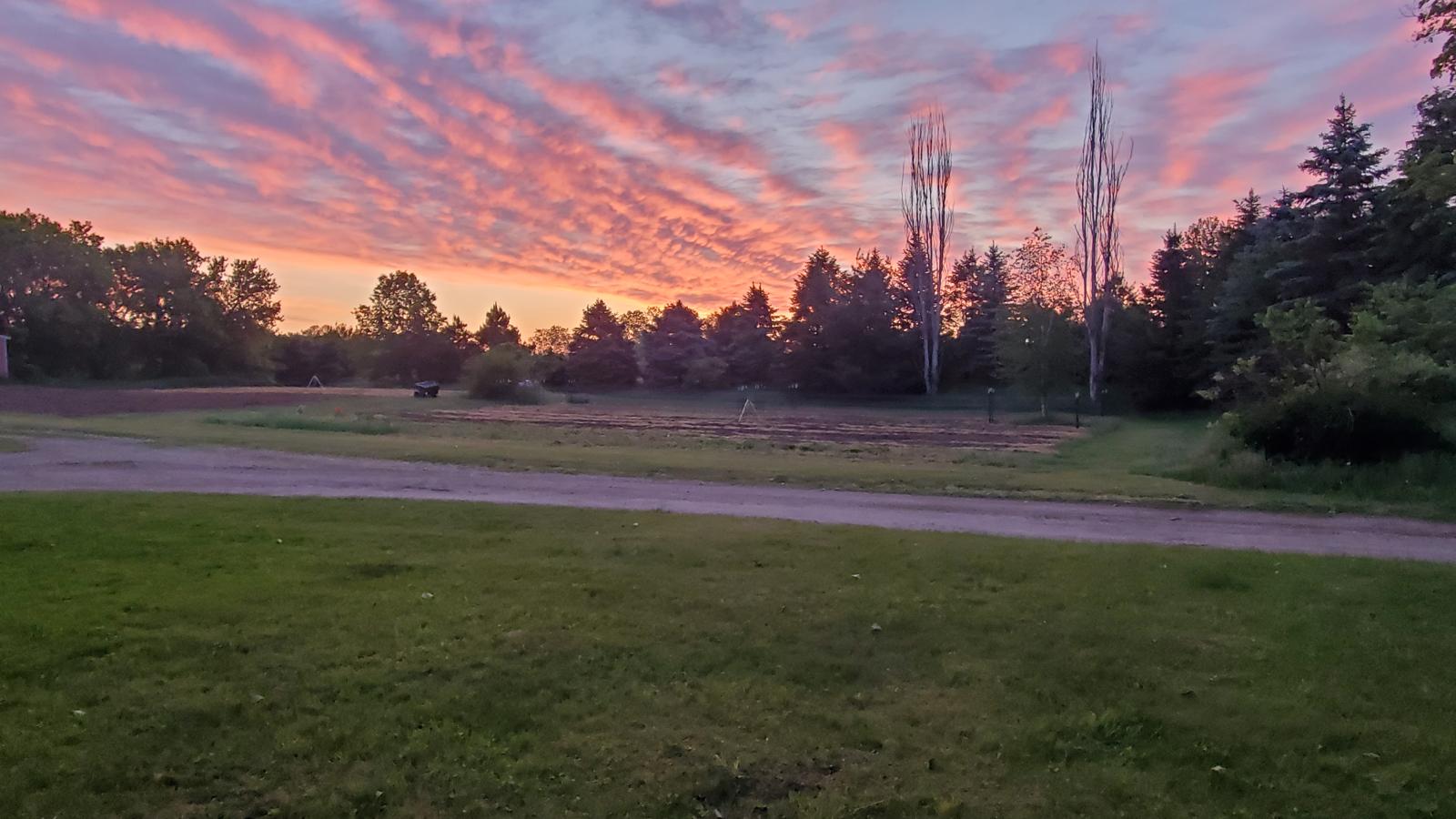
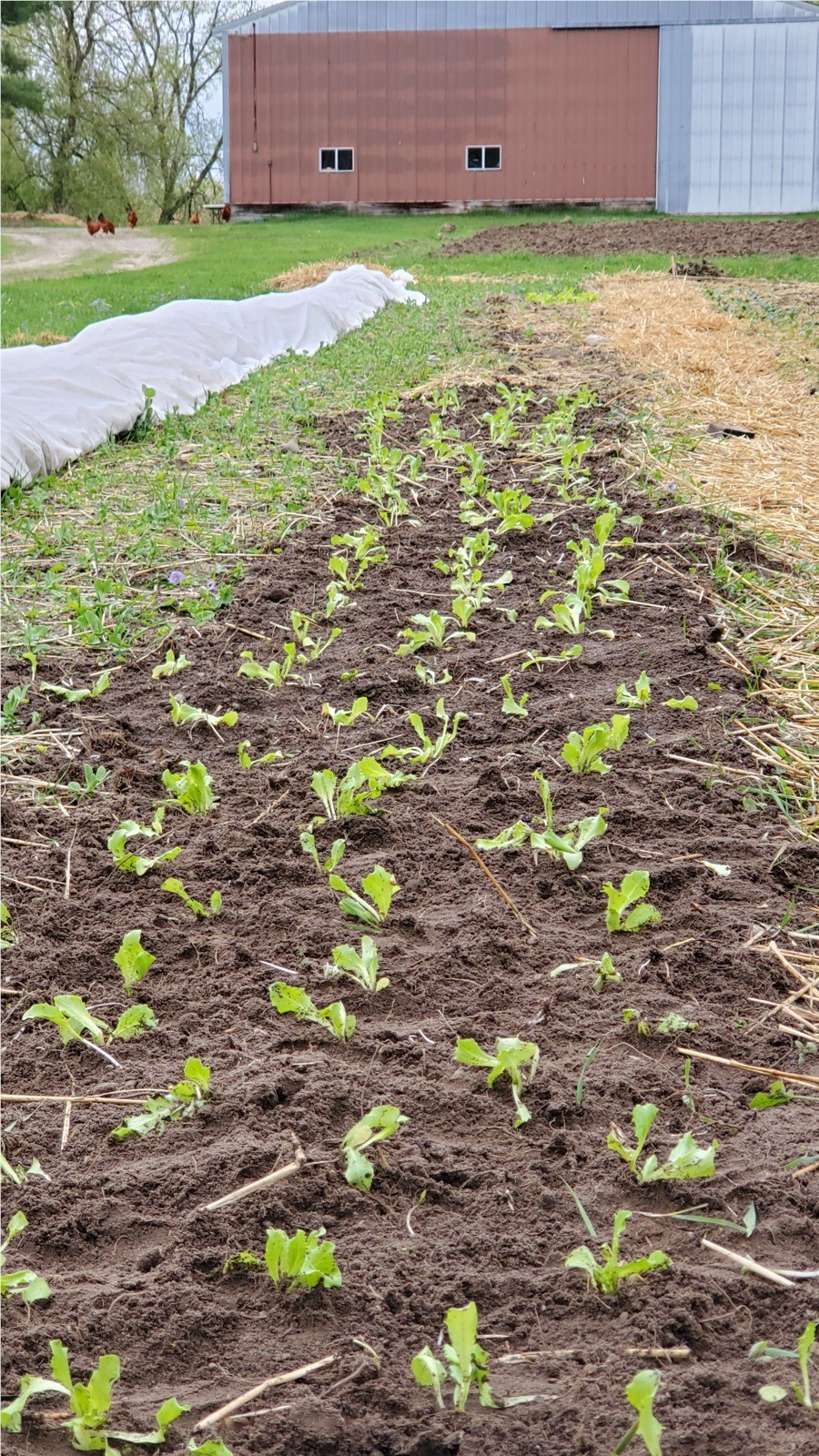
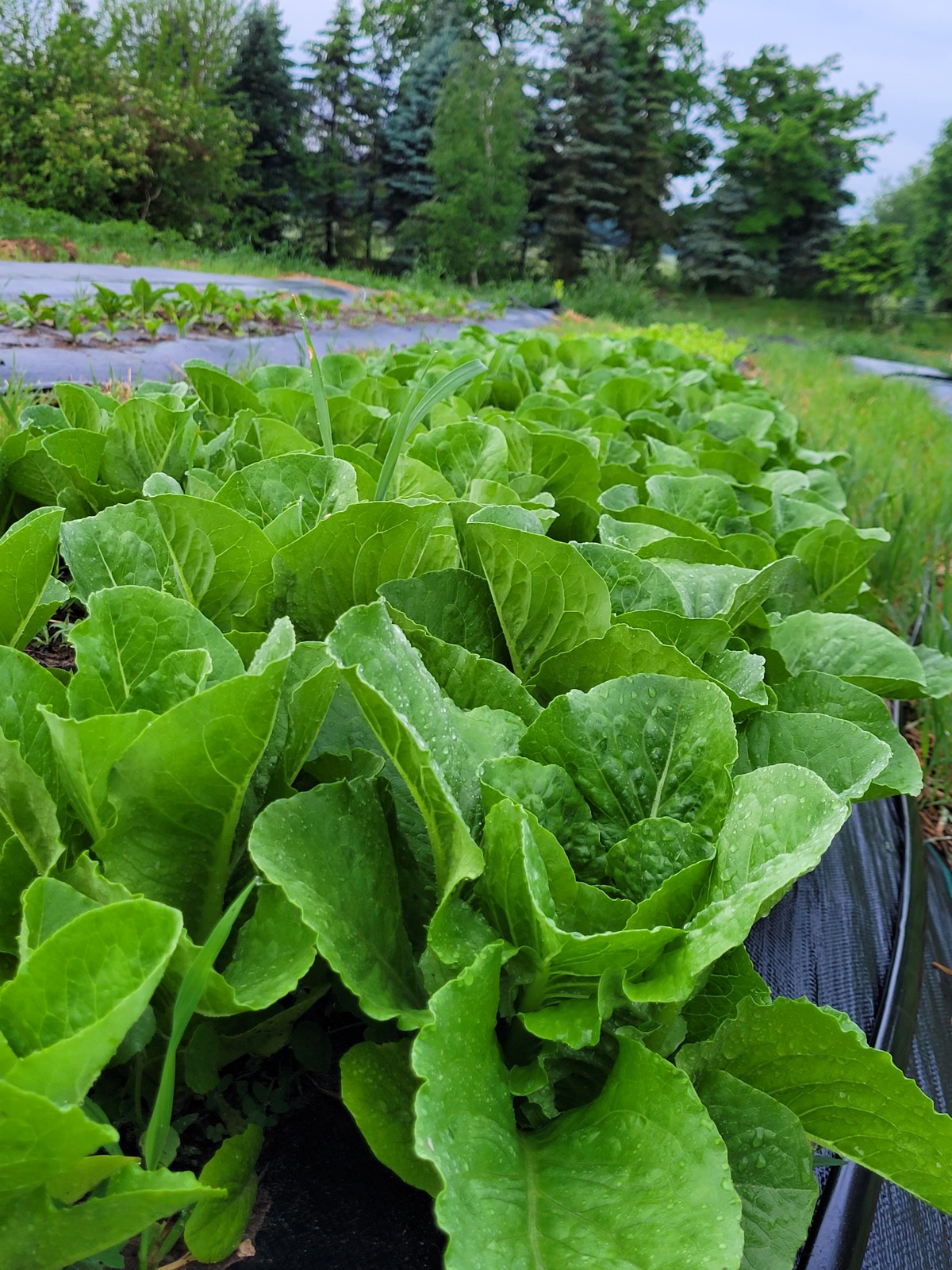
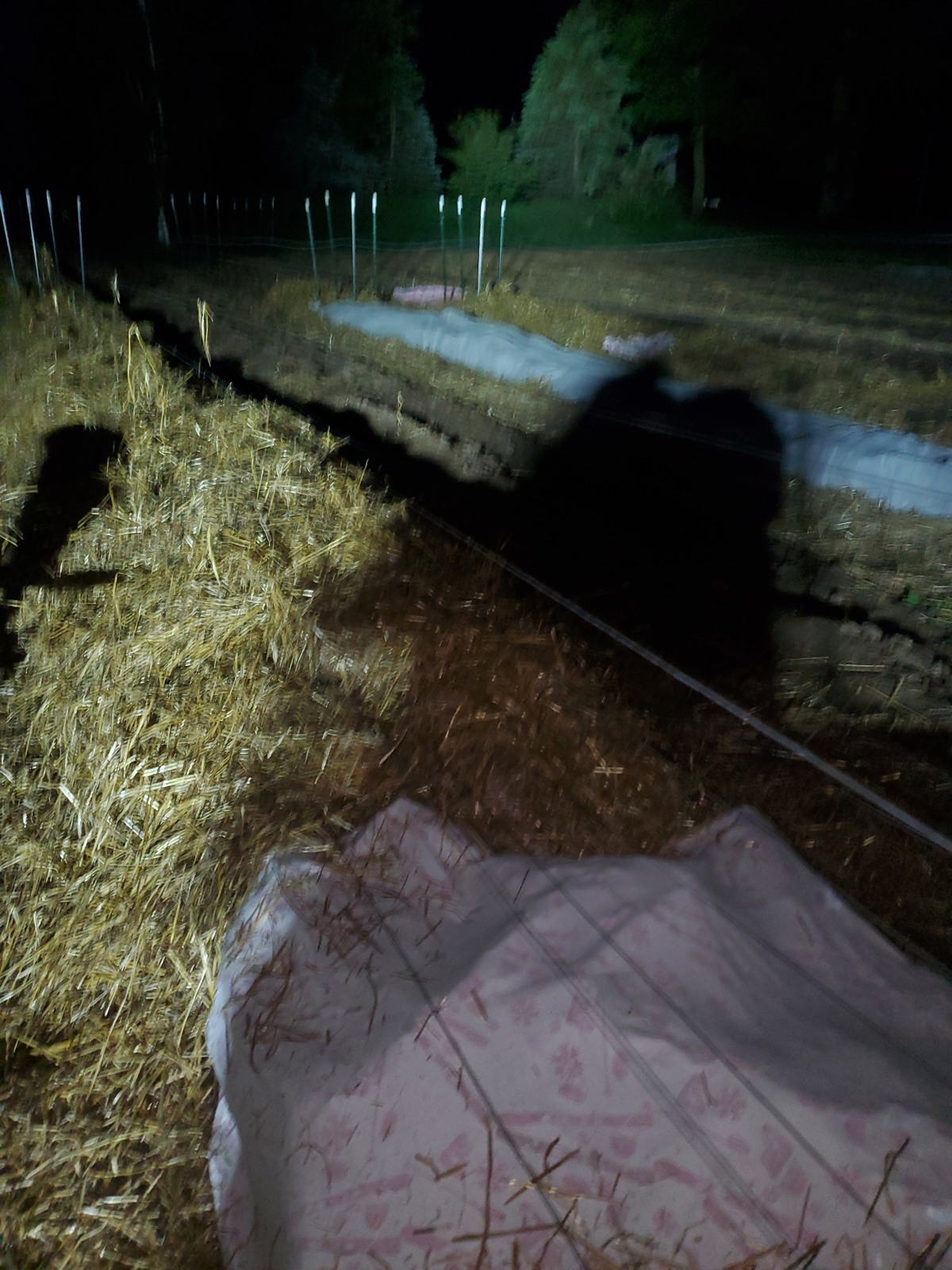
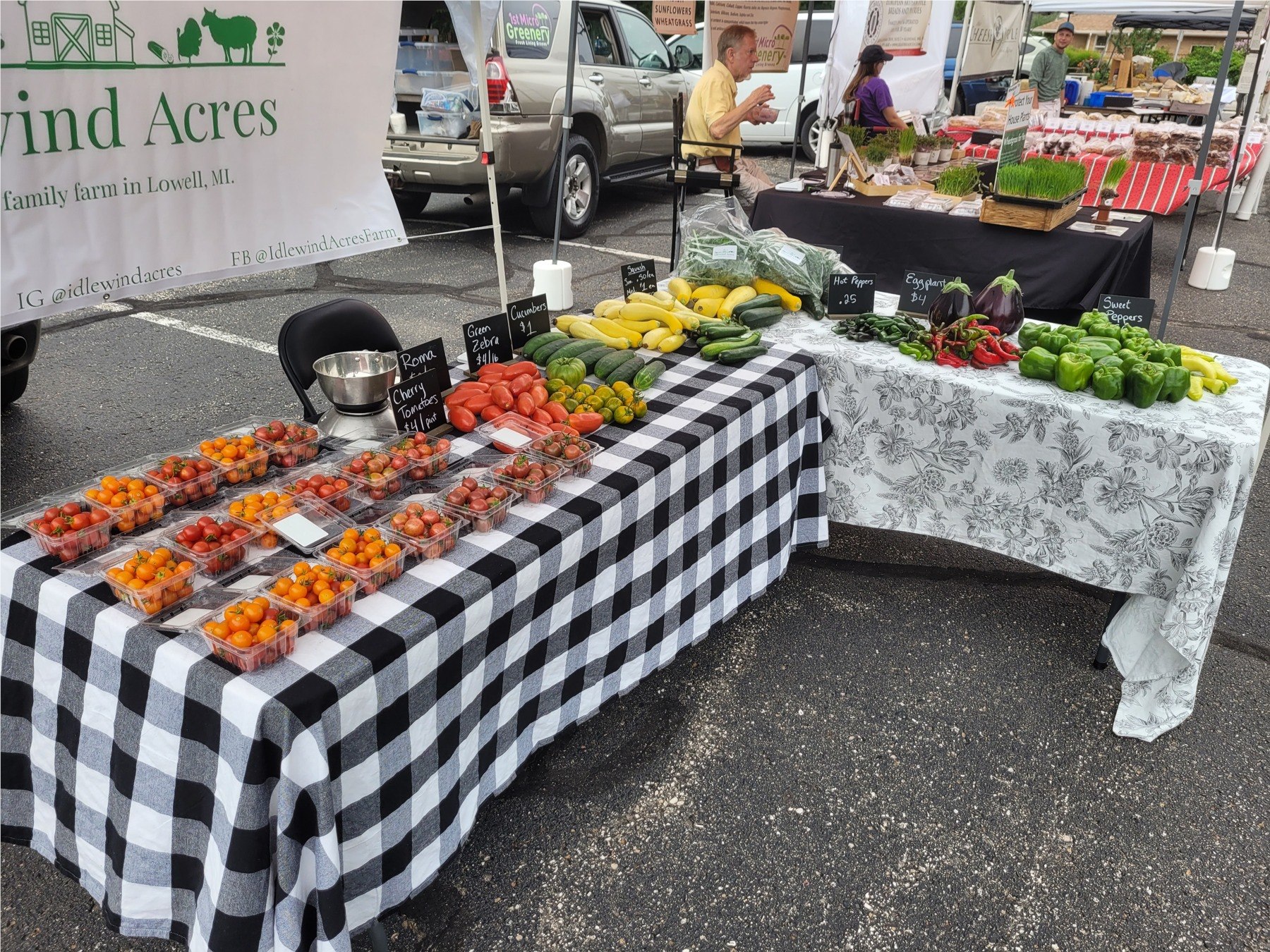
The next season, our fencing was up. Apart from a very late frost that had us outside with straw and frost blankets at 10:30 p.m., it was a successful growing season. We added a farmers market to the mix. Meeting new people and sharing our growing methods was such a good experience!
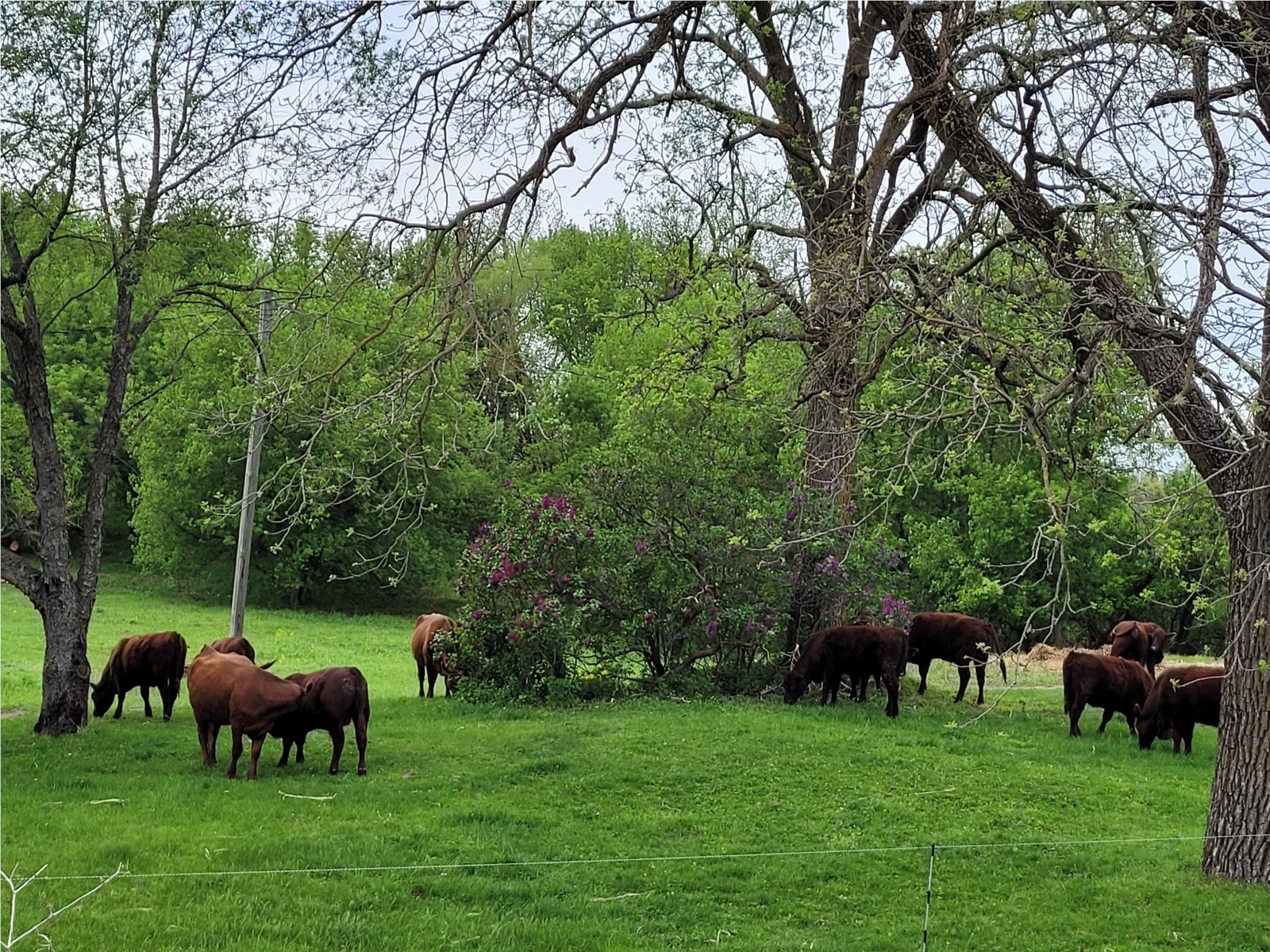
We also brought Berkshire pigs and Red Poll cattle to the farm, bred our Nubian goats, and added Suffolk sheep.
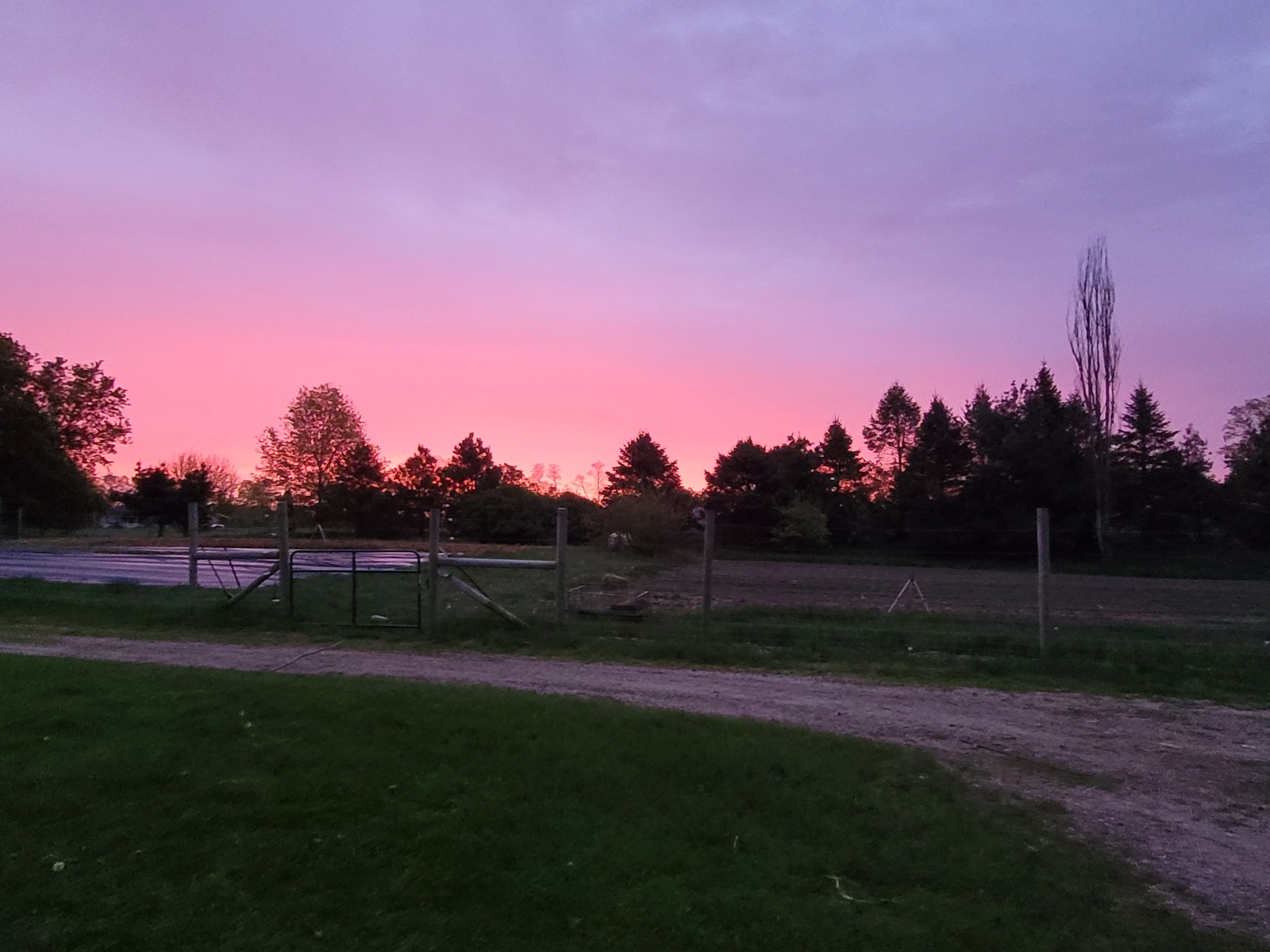
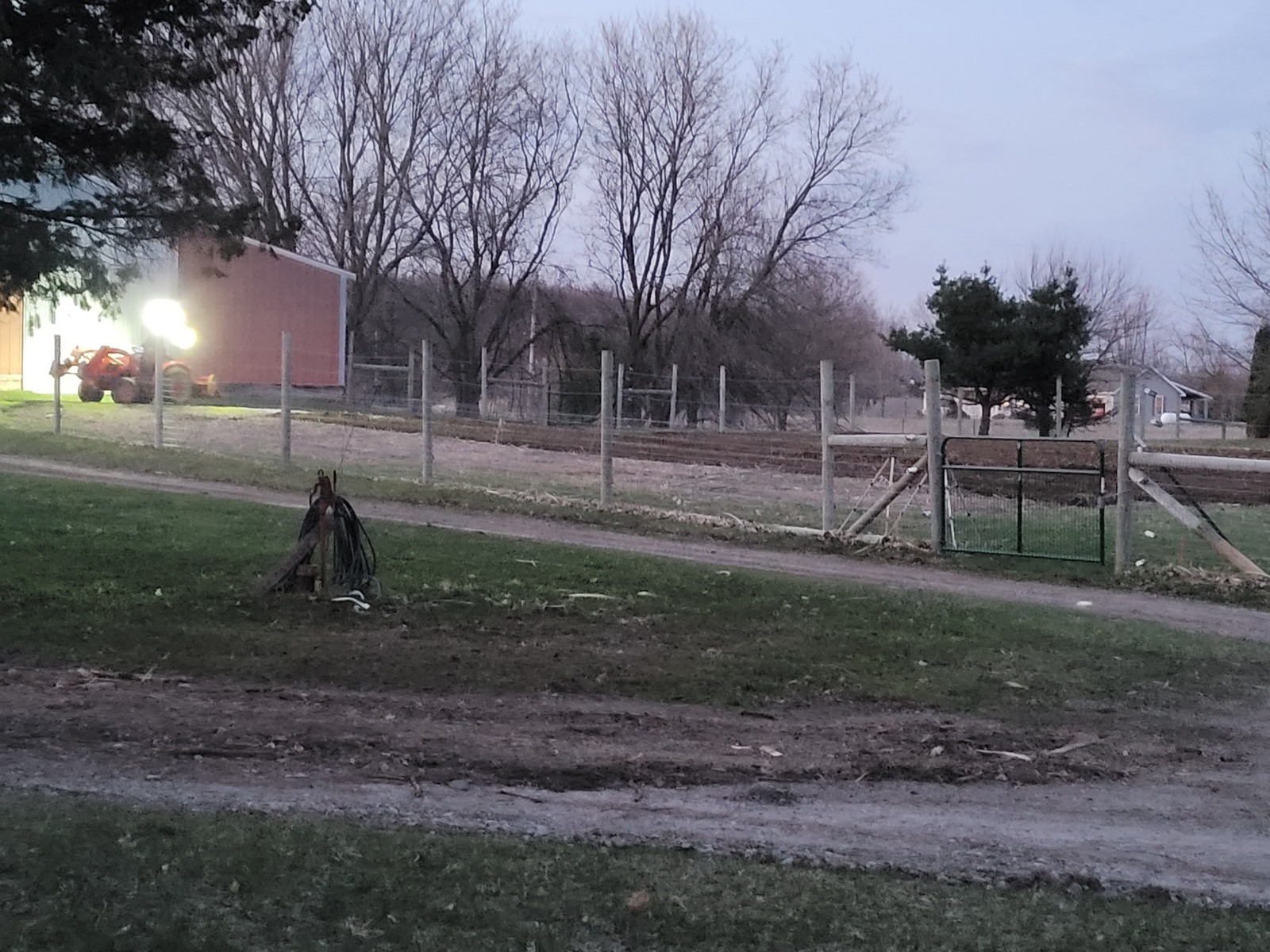
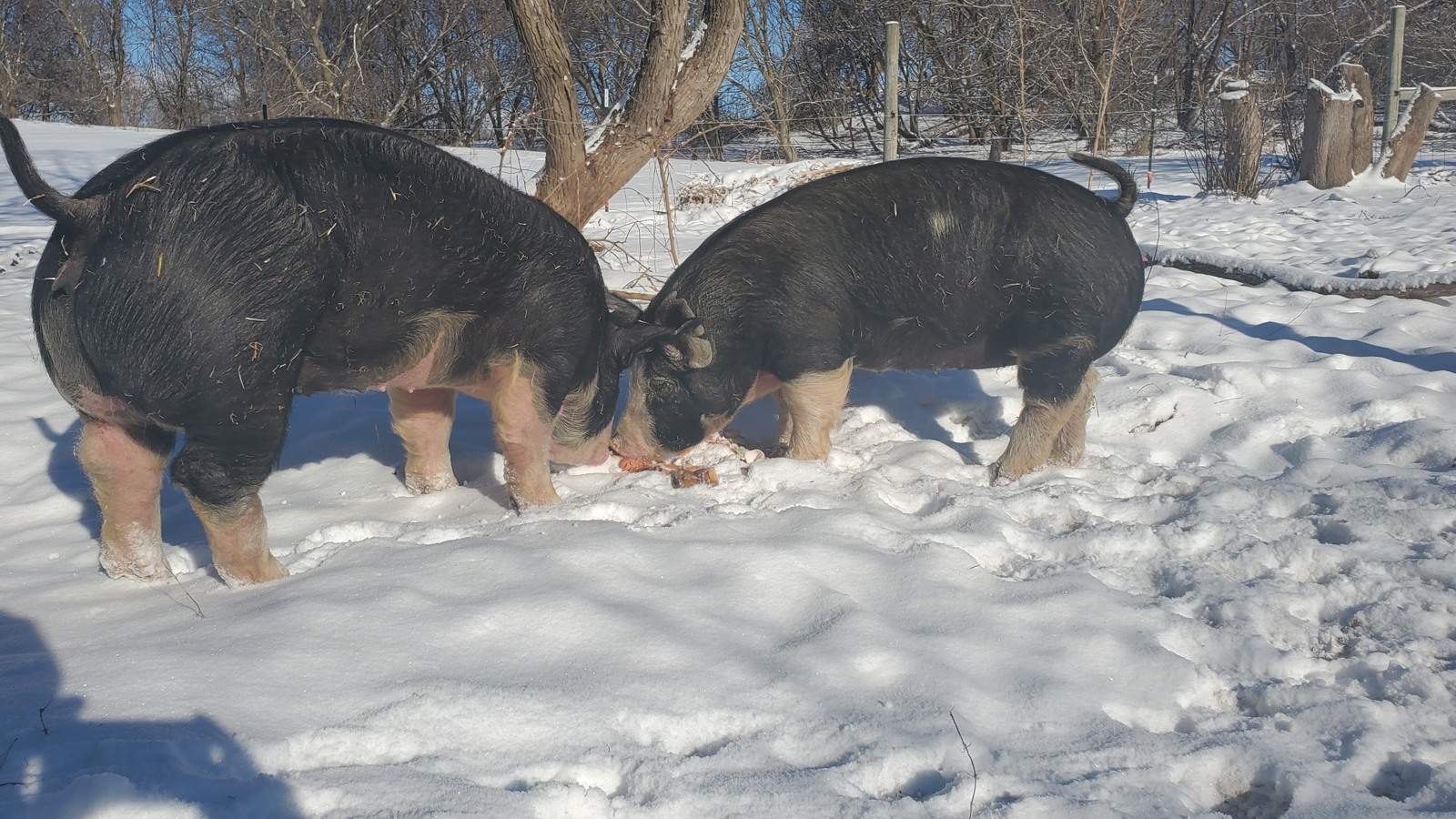
With the fencing came…animals! I’ve always been an animal lover. As a child, I had a dog and a cat, along with hamsters, parakeets, bunnies, a ferret, an albino frog, and all sorts of fish. But large animals were new.
I wanted Idlewind Acres to be an “everything farm,” with its parts working together. Cows would provide manure for the garden. Bees would pollinate plants and provide honey. Pigs would eat damaged produce and till the garden. The goats and sheep would help feed the soil, and spent bedding would become mulch.
My goal was to bring in as little from outside the farm as possible. Today, we bring in very little.
The Nubian goats came first—before we had solid fencing. That was a stressful mistake. On one occasion, we had to pull Yara out of the pool! Goats need very, very strong fencing. They are escape artists.
Yara is also very smart. We call her “General Yara.” Once, we were trying to catch a ram we were selling, and he was too fast for us. Yara used her head to push him against the fence and held him there until we had him roped!
We added Suffolk sheep, then branched out into Boer goats after seeing how hard Michigan winters were on the Nubians. We were forever battling barber pole worms with the Suffolks, so we switched to Katahdins.
We chose Red Poll cattle because we wanted to help rebuild the breed’s population, and because they suited our goal of raising premium, well-marbled, grass-fed beef. Getting to know each animal in a herd has taught us a great deal. Our Boss Cow, Pearl, has astonished us.
Once, we couldn’t get a steer onto a trailer. I kid you not—Pearl seemed to understand what we were trying to do. She led him onto the trailer by having him follow her, then stepped off while he stayed on. Animals truly are amazing.
Then we brought home Taurus. The goats had taught us that any weakness in a fence would be exploited. Our bull taught us that even a sound fence might not stop him from reaching cows. Our neighbor took him off our hands. We still haven’t worked up the confidence to get another.
My confidence around bulls had been appropriately checked. I remained blissfully confident about bringing my vision of riding through a field of sunflowers to life.
I’ve always loved horses. At eight, I took my first lessons on Sassy Bay. The name meant nothing to me then, but it makes me chuckle now. She wasn’t sassy at all; she was the ideal lesson horse. My lessons lasted 30 minutes every other weekend, so I made little progress. Before long, my father stopped them.
He loved horses, too, and bought racehorses. I shared that passion and have fond memories of visiting them in training and watching them race.
Lillian had her first lesson at five and was enamored right away. A cold Michigan winter interrupted her lessons, and then other things kept us busy. She rode again the summer she was eight. By ten, she was committed. She’s been riding ever since.
We bought Velma when Lillian was eleven and Velma had just turned three. A young Thoroughbred mare was not my best parenting decision, but I didn’t want to spend a lot of money, and I wanted a horse whose value could increase.
They worked very closely with a trainer. In fact, we began with the trainer riding Velma five days a week, while Lilli continued riding lesson horses.
We kept boarding after we bought the farm. As the years went on, I wanted a horse of my own, despite having limited trail-riding experience and no lessons as an adult. Enter Rowan, a cute-as-a-button red roan.
I hadn’t learned my lesson with Velma, although that purchase had worked out well. Rowan was green and had just turned three. We boarded them both for a while, then decided to bring them home. What could be better than going outside to say hello or ride whenever we wanted?
Shortly after Rowan, we added Coal to the family. He was a spontaneous auction purchase; we were enamored with his beauty. The little guy’s only job on the farm is to be admired.
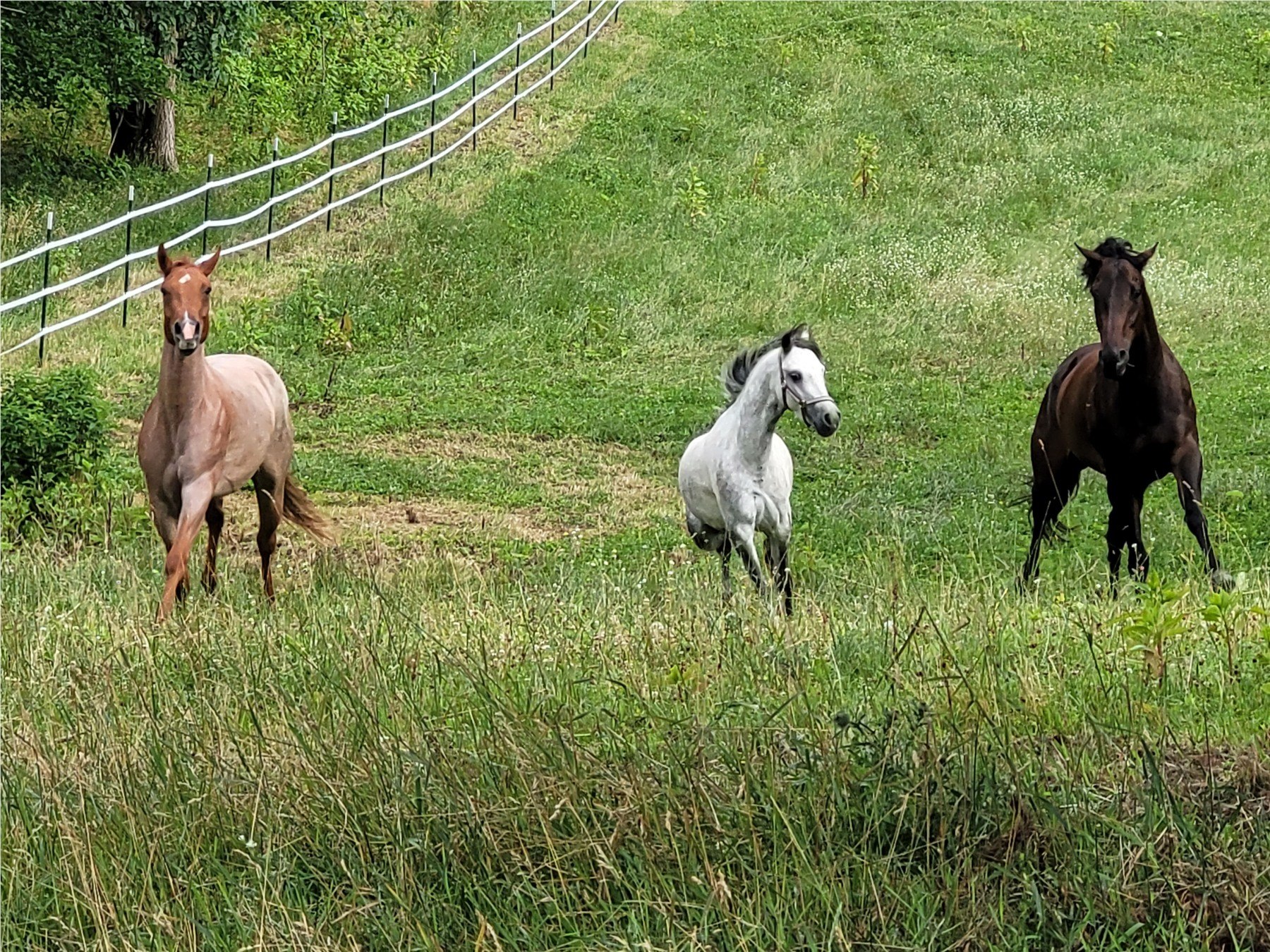
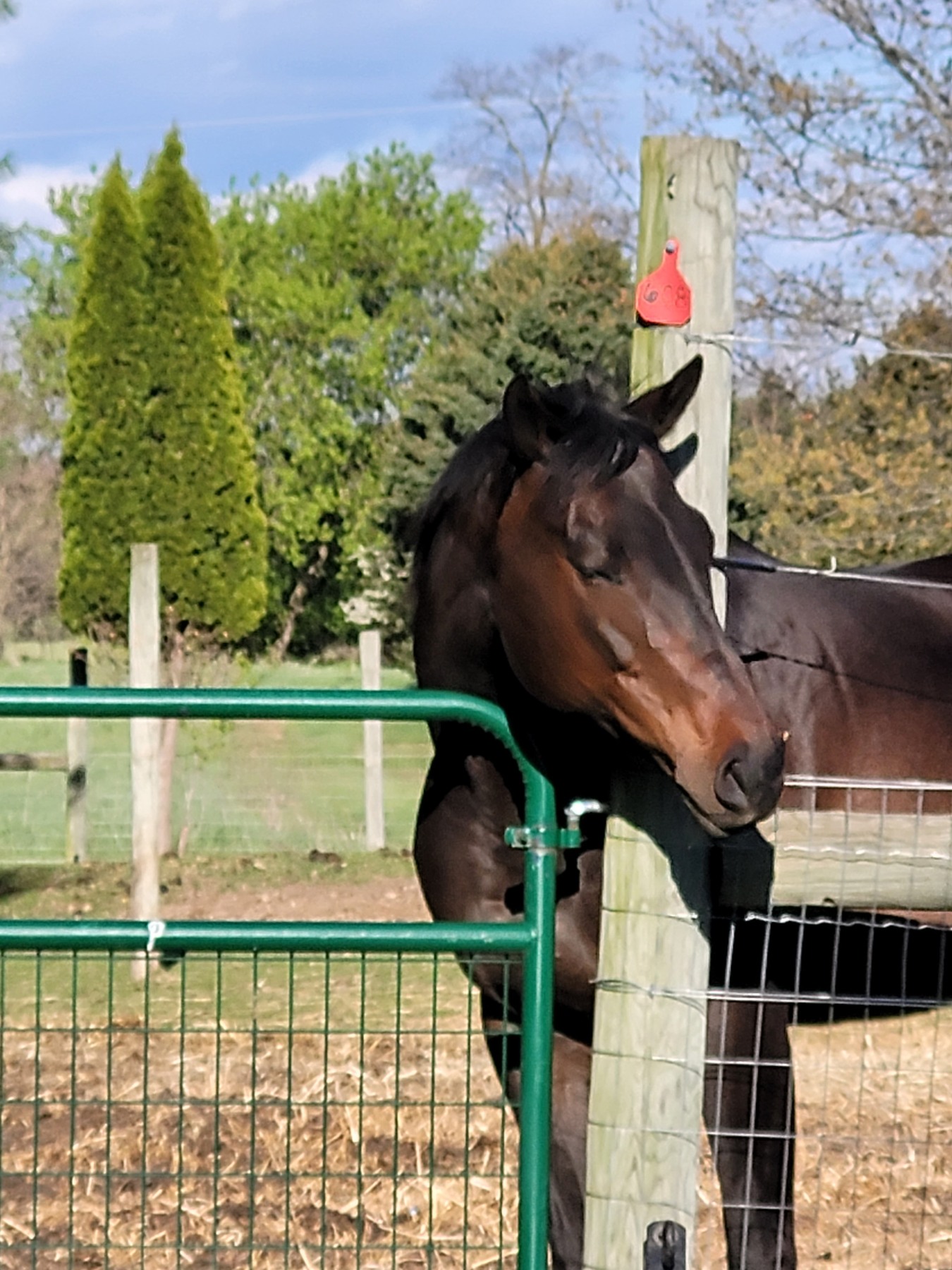
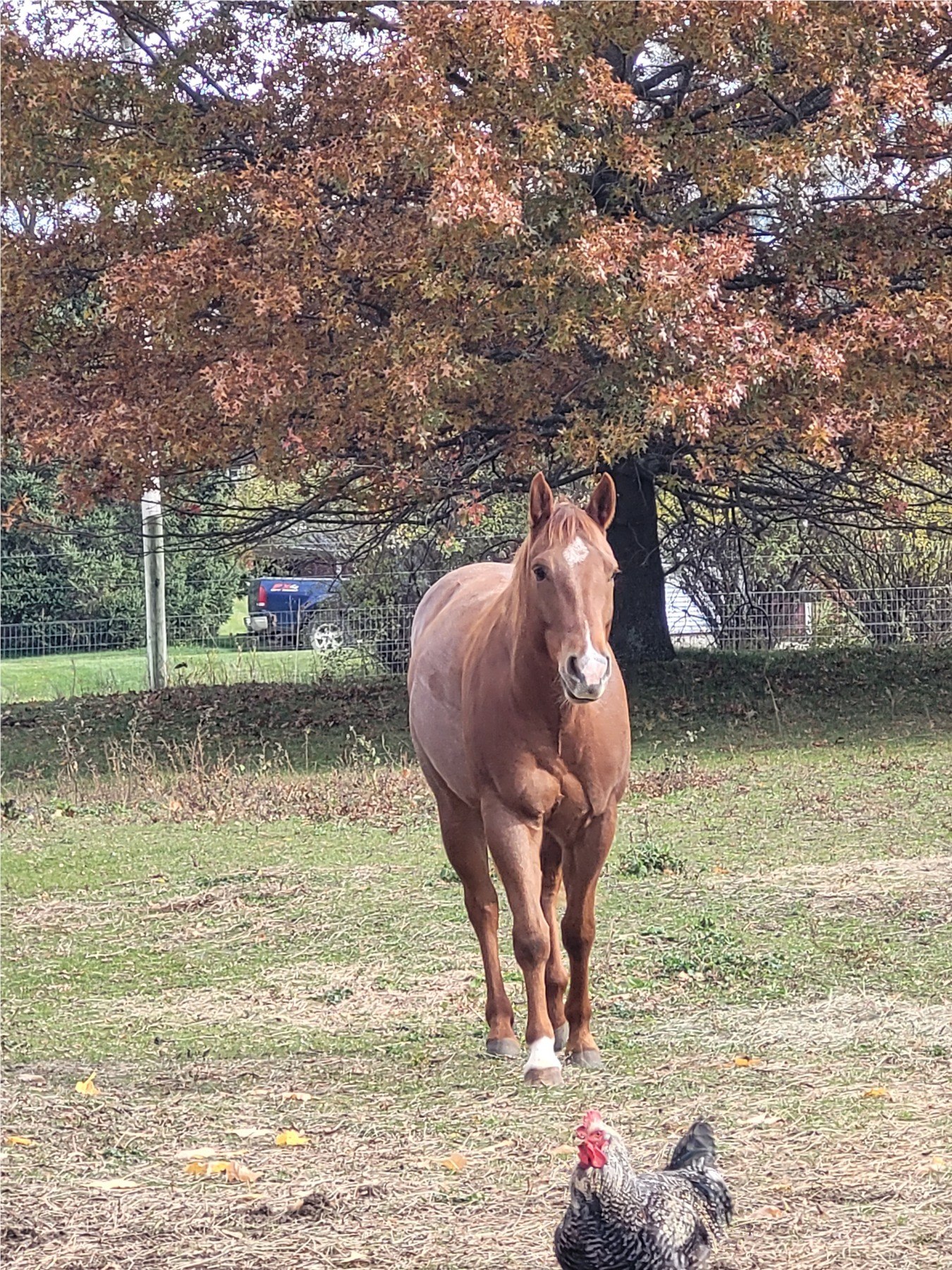
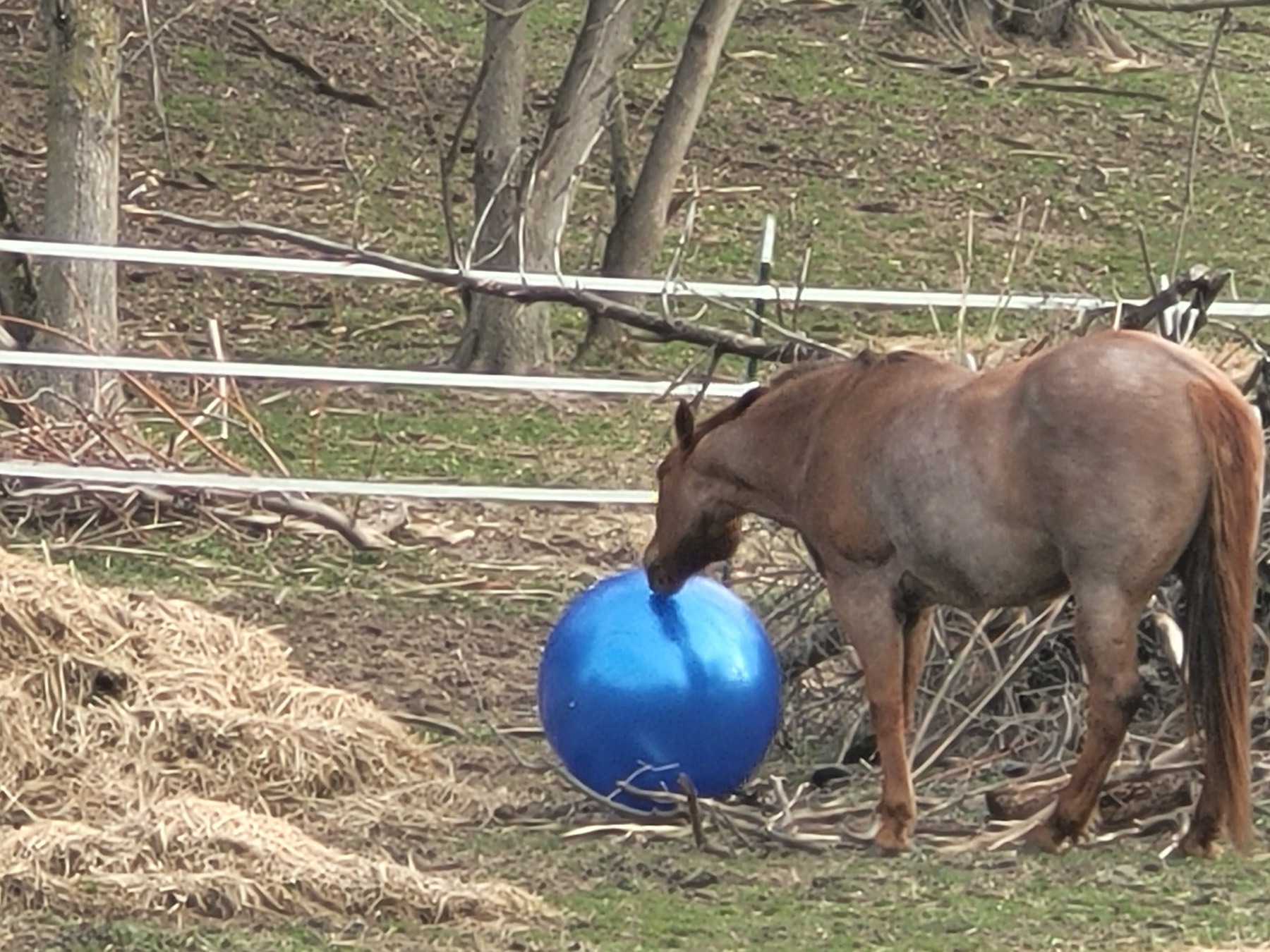
The horses taught us another lesson in fencing. Velma kept appearing outside her pasture, and we couldn’t explain her escapes. We’d be outside, and suddenly there she was, right next to us.
One morning, my husband was making coffee. He looked out the window and announced, “Velma’s in the backyard again!”
We installed cameras. That’s when we caught her jumping straight over the fence.
I chastised my husband: I’d told him it needed to be four feet high! He insisted it was. When we measured, it was indeed four feet high. She hadn’t needed a running start. She’d popped over it like a cross-rail.
The market garden, with its seven-foot deer fence, became Velma’s pasture. The goats and sheep stayed with her, which helped put an end to their escapes, too.
Rowan and Coal were poor pasture mates, with Rowan bearing the brunt of Coal’s ire. Coal could tell when the electric fence wasn’t live and would use his body weight to push down the tape. He looked so proud of himself trotting around the property—and thoroughly wound up Rowan and Velma in the process.
We moved him to a wooded pasture where he could watch the cows all day. He’s been content there and no longer escapes.
Containment was only part of the equation. Riding brought another complication: we didn’t have an arena. I’d underestimated how much that mattered, thinking we could ride in the pastures. We couldn’t.
So the outdoor arena went in in August 2025. That winter, we returned to our old barn to board.
I finally feel things are starting to come together. We still have about ten years of projects ahead!
AN UPDATE · OCTOBER 2026
We’re converting a small barn into an indoor arena, which we expect to finish in December 2026. It will be small, but it should get us through winter.
Back to About Idlewind Acres →